Category: Player Digest

How Rewards Keep Your Motivation High

Finding it hard to stay on track with your weight loss? Here’s a secret: bribery works. Yep, paying yourself in small rewards is scientifically proven to keep motivation high. Losing weight isn’t a sprint, it’s a marathon, and let’s be honest, staying fired up for months on end is tough. That’s where a little self-incentive comes in.

Why Rewards Work (Science, but Fun)

A study with the gloriously named Game of Stones found men actually lost more weight when cash rewards were on the table. Don’t worry if your wallet isn’t fat, small treats work just as well.

Here’s why it works: your brain loves rewards. Hit a goal, and dopamine, the “feel-good” chemical, gets released. You feel awesome, your brain wants more, and suddenly that healthy habit is sticking. Positive reinforcement is basically tricking your brain into doing the right thing.

How to Bribe Yourself (The MAN v FAT Way)

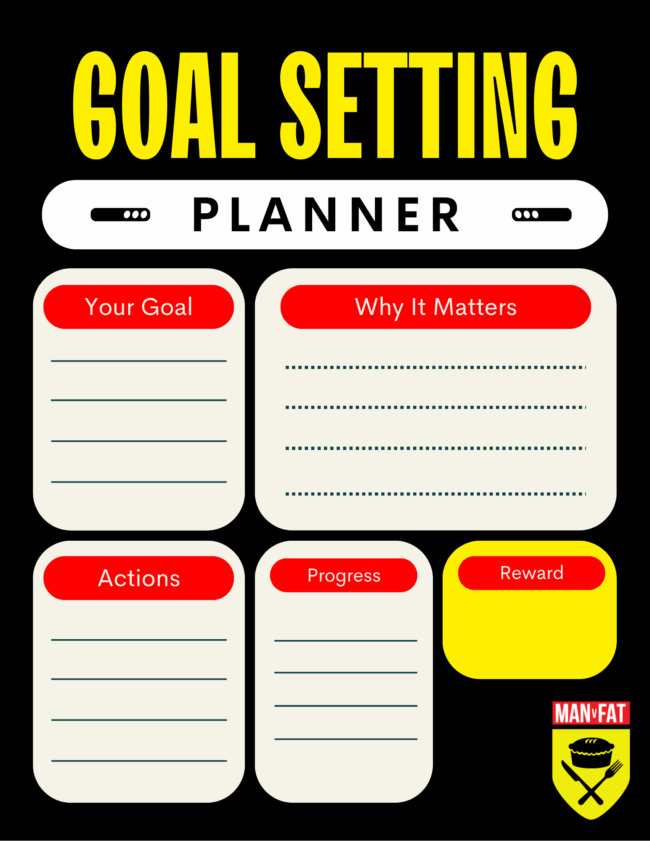
Step 1: Set goals you can actually hit
Don’t try to run a marathon tomorrow, you’ll just sulk on the sofa. Keep it realistic and measurable. SMART goals are your friend: Specific, Measurable, Achievable, Relevant, Time-bound. Want to learn more? Read up on them here.

Step 2: Pick your rewards
Food is tempting, we get it. But it’s safer to skip the pizza bribe until you’re confident. Think small, non-food treats:

  • A new book or game
  • A night at the cinema
  • Tickets to the big game
  • Money in the bank (save $10 for every goal and treat yourself to new clothes later)

Step 3: Track your wins
Nothing motivates like seeing progress. Notebook, phone notes, or an app, whatever works. Track exercise, steps, or meals. Then, when you smash that goal, you can reward yourself without guilt.

Bonus: Mental Health Boost

Rewarding yourself isn’t just about hitting numbers, it’s about celebrating progress. Losing weight is tough. Give yourself a high five. Tell yourself you’re a legend. Positive reinforcement fights off the negative self-talk that loves to creep in when things get hard.

Your Mission

Pick one small goal today. Choose your reward. Track it. Do this consistently, and suddenly losing weight isn’t a grind, it’s a game you’re winning. Treat yourself like a legend, you’re worth it, and your future self will thank you.
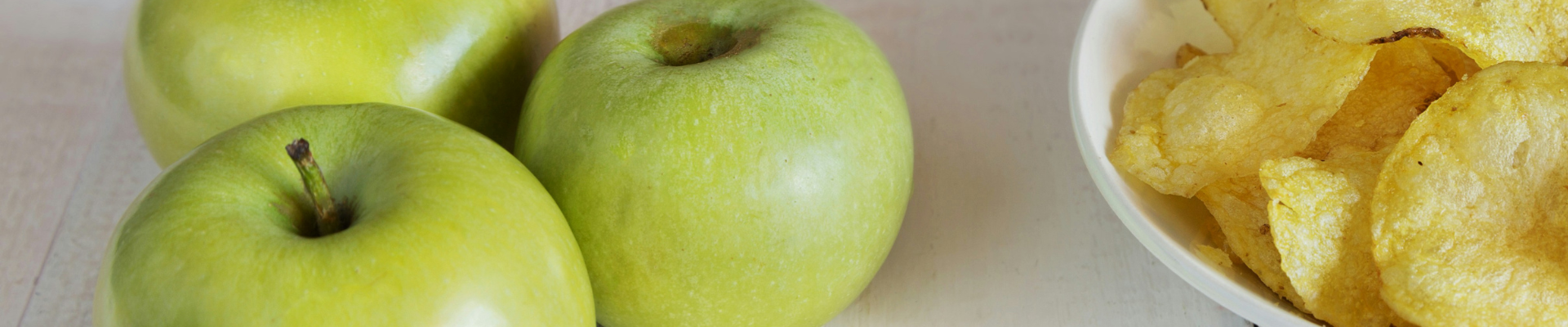
Easy Food Swaps To Kickstart Your Weight Loss

It can be overwhelming to know where to start with making healthy changes to your diet. It’s easy to be swayed by the dieters who share their Instagram-perfect low-fat, low-sugar, low-calorie, low-taste meals, but in reality, it’s the small swaps that add up to big changes. Here are a few small swaps you can make to your diet.

Swap fizzy drinks for their zero-sugar counterparts

If you’re partial to a can of soda, try and switch to the zero-sugar, zero-calorie alternatives. They may taste odd at first, but you’ll soon get used to it and will save calories. For example, if you’re fond of a can of Coke, you’ll save 139 calories per 330ml can when you switch to Coke Zero.


Cut down on sugar in hot drinks

Similarly, if you have sugar in your tea or coffee, try cutting down to save on calories. A teaspoon of sugar is only 16 calories, but that soon adds up over multiple cups a day. Let’s say you have 2 teaspoons of sugar in your coffee and have 4 cups of coffee a day – that’s 8 teaspoons of sugar and an extra 128 calories.

If you have more than one sugar in your drink, start by cutting the number of teaspoons you have until you can drink it with no sugar, or aim to replace the sugar with sweetener. It’s easier than it sounds, and coffee or tea with no sugar isn’t as bad as you’re probably thinking it’ll be.

Swap butter for spreads

Sometimes you just can’t beat real butter on toast or a bagel, but for everyday use you could save yourself some calories by switching to a spread. Real butter is high in calcium, but it’s also high in saturated fat which you should be aiming to cut down on.

Depending on what kind of spread you switch to, you could save up to 30 calories per 2 teaspoons (10g).

Swap cereal for oats

Cereal is a breakfast favorite because it’s quick and delicious, but it can leave you feeling hungry and raiding the kitchen for food by 11am. Try swapping your usual cereal for a bowl of porridge. Oats are high in fiber, which will help you to feel satisfied for longer, so you’ll be less likely to snack before lunch.

Swap frying for healthier cooking methods

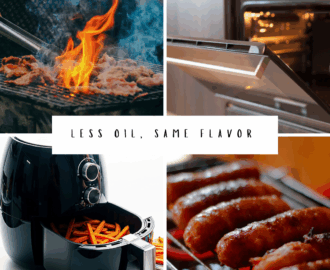
Frying foods typically uses a lot of oil, so try using other methods to cut down on the amount of oil you use. Meat comes out particularly well when grilled, and steaming is a great way of cooking fish and vegetables.


Swap oil for spray oil

You shouldn’t be shy about frying your food, just be aware of how much oil you use. One tablespoon of most oils (sunflower, olive, vegetable) comes in at around 120 calories and it’s all too easy to pour freely from the bottle.

Instead, swap your usual oil for a spray oil, which has 1 calorie per spray. Alternatively, buy a cheap oil sprayer online and decant your oil into it to vastly cut down on how much oil you use.

Swap white for whole grain

White and brown versions of foods tend to have the same number of calories, so you might be wondering what the point of switching is.

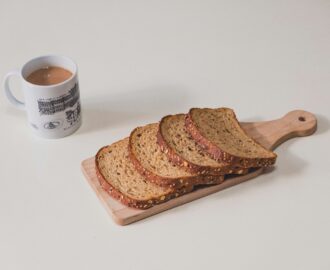
Whole wheat or whole grain foods like whole grain bread, brown rice and pasta and whole grain cereals (like Shredded Wheat and Bran Flakes) are higher in fiber, which helps to maintain bowel health and control blood sugar levels. What’s more, regularly eating whole grain is thought to decrease your risk of heart disease, stroke and type 2 diabetes by up to 30%.

You might find a more immediate benefit too, as whole grain foods release energy slowly which should help you feel fuller for longer.


Small Swaps, Big Wins

You don’t need a complete diet overhaul to start seeing results. The key is small, consistent swaps that save calories, cut sugar, and keep you full longer. Each tiny change might seem insignificant on its own, but add them up over a week, and you’re looking at noticeable fat loss without starving or giving up foods you enjoy.

Pick just one swap today. Swap fizzy drinks for zero-sugar versions, cut the sugar in your tea or coffee, or replace white bread with whole grain. Track it, stick to it, and feel the difference in energy, hunger, and the scale.

Remember: every calorie saved counts toward fat loss. Start small, stay consistent, and use your MAN v FAT community for accountability. Before long, these tiny changes will add up to real, measurable progress.

Choose one swap from this list and commit to it for a week. Log your results and see how these small changes start to move the needle on your weight-loss journey.


How to have a healthy relationship with alcohol

Cutting down on alcohol isn’t just about looking better. It’s about feeling better, saving money, and enjoying life without waking up regretting last night. You don’t need to go cold turkey. Here’s how to do it like a grown-up.

Measure up

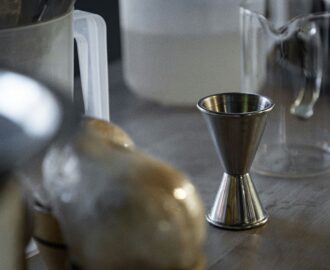
Stop guessing how much you’re pouring. A single measure of spirits is 25ml, and most of us pour double without noticing. Grab a measuring beaker or jigger at home. If you’re hosting friends, pre-measure your drinks. It keeps you honest and stops you drinking more units than you realize.

Banish the binge

Binge drinking is 8 or more units in one session for men. Try to have at least two alcohol-free days a week. Your liver and brain need a break, and spreading your drinking through the week stops you feeling like death warmed up on Monday morning. The guideline is no more than 14 units per week, so track it rather than guessing.

Look for lower levels

Lower ABV drinks mean lower units. Swap in 4% lagers instead of 5–6%, 9–10% wines instead of 12%, or alcohol-free beers and spirits. Small changes make a big difference without feeling like you’re missing out. Grocery stores have a huge range of low-alcohol options.

Sip, don’t slam

Stop chugging your beer like it’s a competition. Pace yourself. Alternate drinks with water or a soft drink, use smaller glasses, and enjoy the taste. Drinking should be fun, not a race to a hangover. Slowing down helps you remember the night, avoid feeling awful, and stay in control.

Set a drinking window

Decide when you’re allowed to drink. Only with dinner, between 6 and 8pm for example. No sneaky drinks after. Your body handles alcohol better, you avoid mindless drinking in front of the TV, and you have more energy for training, hobbies, or just living life.

Know your units

Units can be confusing. A pint of 5% lager is 3 units. A large glass of wine is 3 units. Use apps like Sunnyside to track your units. Set goals and celebrate when you stick to them. Knowing exactly how much you’re drinking makes it easier to cut down.

Eat first, drink later

Never drink on an empty stomach. Eating before you drink slows alcohol absorption, helps you avoid cravings, and reduces hangovers. Try complex carbs like brown bread, pasta, or rice, and include protein or healthy fats like nuts, cheese, or eggs.

Plan ahead

Be prepared when going out. Decide your limit, leave your credit card at home and take a set amount of cash, or volunteer as designated driver if you need to. Check menus for units before ordering cocktails. You could even host an alcohol-free night at home. Planning stops regret before it starts.

Lean on your pals

Friends can make cutting down easier. Tell them your goals and swap tips. Take turns ordering non-alcoholic drinks or host nights without booze. Being around supportive people makes cutting down normal and actually enjoyable.

Value for Money

Cutting down on booze isn’t just good for your health. It’s good for your wallet too. A beer in a bar can cost $7 or more. Lower-alcohol or alcohol-free options are cheaper. Cutting back could easily save enough to cover your MAN v FAT membership and still leave some extra cash. Instead of spending on a few pints, you’re investing in fitness and your goals. Drinking less literally puts money back in your pocket.

Hear from others who’ve made small changes

Cutting down doesn’t mean giving up entirely. Head to manvfat.jaaq.org to listen to real stories from people who have improved their health by making smarter choices around drinking. Hearing their stories can give you the push to make small changes that stick.


Where To Get Help With Your Mental Health: A Straight-Talking Guide For Men

Shocking stat: 3 out of 4 suicides are by men, and suicide is the biggest killer of men under 35.

Heavy, right? But we want to help.

Men are less likely to seek help for mental health problems, less likely than women to take time off work to get medical support, and many feel embarrassed even admitting they are struggling.

It is incredible, really, that we still find it difficult to talk about our mental health. If there was something wrong with your body, you would get it checked. So why not your brain? Feeling embarrassed about having mental health issues is like being embarrassed about a cold. You would not be embarrassed about a cold, so why should this be different? Mental health problems are not quite as common as the common cold, but most of us will face them at some point in our lives.

We want to put an end to the shame and stigma. We all have mental health, and we all need to look after it as an essential part of our body.

Here is how to act if you are struggling or even if you just want to give your mental health a boost.

See your Primary Care Physician

Going for a walk is positive and getting fresh air always helps, but it is not enough if you are at rock bottom. If getting out of bed feels impossible or hopelessness is weighing you down, it is time to see a doctor.

Remember:

  • You absolutely deserve help, just like if you had broken your leg.
  • Taking that first step is the hardest, but it matters. Left untreated, things can spiral.
  • Making an appointment today could be the start of turning things around.

Build healthy habits

Small, practical steps can have a massive impact on your wellbeing.

Exercise

  • Exercise is not just for weight loss. It is a mental health powerhouse.
  • The American Psychiatric Association recommends including exercise as part of treatment for mental health conditions. It can improve symptoms of depression and anxiety.
  • Even a 15-minute jog can have the same effects as 15 minutes of mindfulness-based relaxation.
  • Team sport, training, or fitness groups provide camaraderie, accountability, and support. These are just as important for your mental health as the physical benefits.
  • Being part of a MAN v FAT club isn’t just about getting active. The people you play with are there for the same goals, facing similar challenges. Having teammates that understand what you are going through can make a real difference to your mood, motivation and confidence. Don’t be afraid to lean on your clubmates – they are part of the support your membership gives you.

Eat well

  • Treats are fine, but too many greasy takeaways will drag you down.
  • Your brain is sensitive to what you eat, and a balanced diet helps regulate mood and mental wellbeing.
  • Eat vegetables, drink water, and cut down on sugar to give your brain the best chance of feeling good.

Look after yourself

  • Sleep enough. Your brain and body need it.
  • Make sure you feel some sense of fulfilment at work and at home.
  • Socialize and stay connected with people who make you feel good.
  • Do things that genuinely interest you, whether that is a hobby, sport, or learning something new.

Extra tips

  • Journaling or noting how you feel each day can help you spot patterns and triggers.
  • Mindfulness apps or short daily meditation can calm racing thoughts.
  • Set achievable daily or weekly goals, not just for weight, but for habits and wellbeing.

Make the most of resources available to you

Seeking help is worth it. Alongside your primary care physician, you can make the most of online support.

  • Our partner JAAQ offers an easy-to-access platform with professional mental health support, online therapy, and practical tools to help you manage stress, anxiety, or low mood. You can access it anywhere, anytime. https://manvfat.jaaq.org
  • 988 Suicide and Crisis Lifeline: Call or text 988 to connect with a crisis counselor or chat online at 988lifeline.org.
  • SAMHSA National Helpline: Call 1-800-662-HELP (4357) 

Remember, seeking support is not a one-off. Regular check-ins, using helplines, or accessing platforms like JAAQ can keep you on track with both mental and physical health.

What’s this got to do with weight loss?

High BMI is linked with poorer mental health. If you are unhappy with your body, it can affect your mood, confidence, and overall outlook.

Important points:

  • Weight loss is not a cure for mental health issues. Hitting your target weight may not automatically make you happy, because the underlying problem might be bigger than the scale.
  • Healthy habits, including sleep, exercise, and eating well, support both mental wellbeing and sustainable weight loss.
  • Mental health, fitness, and nutrition are all part of the same jigsaw. Looking after one makes it easier to manage the others.

Get Support Today

Most men will face mental health struggles at some point, and that is normal. Asking for help is not a weakness. Taking small steps every day, such as seeing your family doctor, exercising, eating well, sleeping, connecting with others, or accessing professional support through JAAQ, can make a real difference.

You are not weak. You are human. Help is out there.


How Much Water Should You Be Drinking

You know you should be drinking enough water, but how much is enough?

Do you know how much water you should drink? It’s vitally important that you keep hydrated, whatever the weather. Everyone knows that we should be drinking water, but it can be hard to know exactly how much water you should drink.

The often-cited blanket rule of 8 glasses a day is pretty ambiguous, and if you’re a 300lb man your needs are going to be rather different from a 120lb woman. So why should you drink more water, and how much water should you be drinking?

How much water should you drink?

Ah, that’s the $64m question, isn’t it? It’s not an exact science and how much you need depends on a lot of factors: your weight, age, gender, and whether or not you’ve been active that day to name just a few.

In 1945, the U.S. Food and Nutrition Board recommended adults consume 2.5 liters of fluid daily. However if you Google it, you may find the more common recommendation that we drink 8-10 glasses, or 8x8oz a day, which is closer to 2 liters a day.

Drinking the recommended 8×8 glasses a day is a good rule of thumb and if you currently don’t drink any water at all, this is where you should begin.

Don’t forget that it’s not just water that counts: iced or hot tea, coffee, low-fat milk and sugar-free drinks count too.

What are the benefits of drinking more water?

Water makes up 60% of our bodies and it’s lost through sweating, peeing and even breathing, so it’s important to maintain this level to stay healthy. Drinking enough water can help with digestion, your blood circulation and can help prevent headaches. And on a more superficial level, drinking enough water can help improve your skin too. Simply put, water is the key to helping your body function properly.

Will drinking more water help me lose weight?

Well, it’s not a magic potion – if you’re not sticking to your calorie goals, drinking a bit of water isn’t going to negate this. However, drinking enough water and staying hydrated is thought to help a little bit, although it’s not clear exactly how.

Some people swear that drinking enough water will ‘flush everything out’, or that a glass of ice-cold water will kickstart your metabolism, but there’s no real research to back either of these claims.

But if you’re used to drinking high-calorie soft drinks every day, switching to water will cut those calories which will help you lose weight. Another commonly-cited reason that water helps you lose weight is that drinking a lot of water will fill you up, so you may end up eating less. But again, this isn’t a magical property that water has – it’s simple calories in, calories out.

This doesn’t mean that it’s not worth drinking water if you want to lose weight, though.

Are there any drawbacks to drinking more water?

It’ll make you pee a lot, especially if you’re not used to drinking enough.

It is also possible to drink too much water, so it’s worth bearing in mind that you don’t need to suddenly start downing 10 liters a day. Water intoxication (also known as hyponatremia) is a real, dangerous thing where drinking too much too fast leads to an abnormally low concentration of sodium in the bloodstream. This can lead to damage to the kidneys, liver and can even be fatal. It’s rare, and you’d have to drink an absolutely huge volume of water, but it’s worth being aware of.


How do I know if I’m drinking enough?

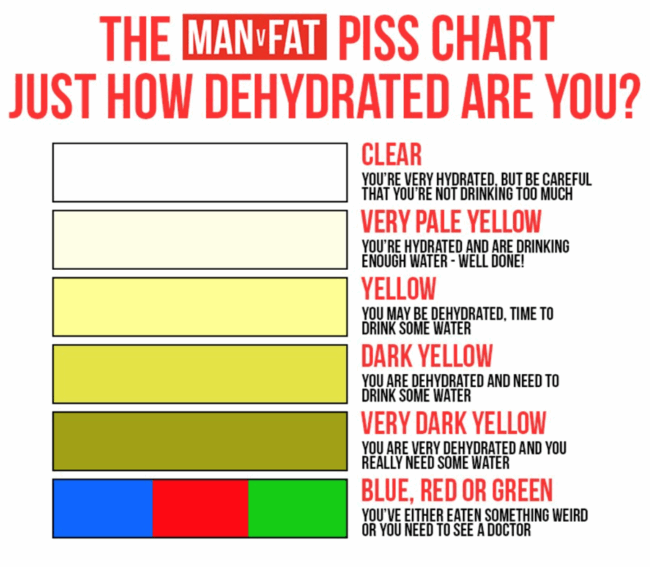
A good indication of whether you’re adequately hydrated is the color of your pee. Yes, really. Take a look and see how you’re doing – if it’s dark, you need to drink more. If it’s pale or almost clear, you’re doing ok.

The other symptoms of dehydration are feeling thirsty (duh), strong-smelling pee, feeling dizzy, a dry mouth and not peeing much. You’re more likely to get dehydrated quicker if you’ve got diabetes, if it’s a hot day or if you’ve sweated a lot after exercise.

But I don’t like water!

Does anyone?! For all of its health benefits, it’s no wonder that about 20% of men don’t drink any water in a day, and nearly half of U.S. adults don’t get enough, according to recent surveys. Because it’s boring, right? Unfortunately, if you’re not a fan, you’ll just have to suck it up. And trust us – it does get easier with time

We’re lucky in the US to have high-quality tap water, but if you think what comes out of your tap tastes gross, you could try getting a water filter. Brands like BRITA, LifeStraw and ZeroWater are among the go-to jug filter kings here and you can either get a fridge jug with a filter or you can get a water bottle with a little filter in so you can fill and go. The downside of this is that the filters are pretty expensive.

If you’re really struggling to keep hydrated because you don’t like water, add a bit of no-added-sugar squash – 250ml of water with a no-added-sugar orange squash is only 4 calories and although not everyone would agree, in our opinion it’s better to drink squash than to not drink any water at all. Just treat yourself like a toddler and make it weak.

Drink Up, Track Up – Stay Hydrated and Keep an Eye on Your Progress

Grab a bottle, guys! Start hitting your 6-8 cups of water a day (or more if you’ve been sweating it out on the field) and log it in apps like Nutracheck. We’ve partnered with them, so check your member benefits for a sweet discount. Staying hydrated keeps you sharp, full of energy, and on track to crush your goals, plus it’s an easy win you can check off every day!


How Food Labels Can Help You Reach Your Goals

Food labels can be confusing with nutrition information, percentages, graphs and grids. Let’s find out how to get the most out of what’s on food labels.

Those teeny little numbers on the side of packs that you ignore. Yep, labels. They’re your best friend when it comes to healthier eating and losing weight and here’s why.

What are food labels for?

Put simply, they’re loaded with information. Labels list ingredients in weight, as well as Nutrition Facts as a percentage of daily value. Often displayed as a grid or table, they show the number of fat, cholesterol, sodium, carbs, protein, Vitamin D, calcium, iron and potassium it contains.

Information is usually listed per serving and sometimes per container, too. Labels are a legal requirement for packaged foods.

The guidelines below tell you if a food is high in fat, sat fat, salt, sugar or not. If you’re trying to lose weight, it can be useful to know what’s in your food so you can make decisions that fit with how you want to eat.

Total fat

High: more than 17.5g of fat per 100g

Low: 3g of fat or less per 100g

Saturated fat

High: more than 5g of saturated fat per 100g

Low: 1.5g of saturated fat or less per 100g

Sugars

High: more than 22.5g of total sugars per 100g

Low: 5g of total sugars or less per 100g

A note on sugars: manufacturers use lots of words to describe forms of sugar, these include syrup, barley malt, molasses, honey, fruit juice concentrate and words ending in ‘ose’ like fructose, sucrose, dextrose and maltose, so look out for these.

Salt

High: more than 1.5g of salt per 100g (or 0.6g sodium)

Low: 0.3g of salt or less per 100g (or 0.1g sodium)

Be aware that often a manufacturer’s serving size may differ from our portioning. You might dish up twice the amount their serving size suggests.

You’ll also see calories/energy represented on food labels as a percentage of an adult’s daily recommended intake.

Top tips for understanding food labels

  • Total fat, saturated fat, sugar and salt are the most important to monitor and reduce for the sake of your health.
  • HIgh levels on packaging don’t necessarily mean foods you need to avoid. This is because some foods may have high levels of sugars and fats but still benefit your health. Take muesli with dried fruit, for instance. It may be high on sugars due to the dried fruits, but it contains valuable fiber you need in your diet. Or salmon stir fry. It may be high in fats but it’s rich in omega 3 fatty acids which are of great benefit to you. Get to know your labels and let them help you make great decisions.
  • Be mindful of your portion control, read Know your portions? for more detail.
  • Use the per 100g column when comparing foods as serving sizes often vary.
  • Remember, even healthier packaged foods may be higher in calories and fat/sugar/salt than their homemade equivalent – plus you can usually save money by making meals from scratch too. Win win.

For a healthy, balanced diet, it is recommended you:

  • Eat at least 5 portions of a variety of fruit and vegetables every day.
  • Base meals on potatoes, bread, rice, pasta or other starchy carbohydrates. – choose whole grain or higher fiber where possible.
  • Have some dairy or dairy alternatives, such as soya drinks and yogurts – choose lower-fat and lower-sugar options.
  • Eat some beans, pulses, fish, eggs, meat and other protein – aim for 2 portions of fish every week, 1 of which should be oily, such as salmon or mackerel.
  • Choose unsaturated oils and spreads, and eat them in small amounts.
  • Drink plenty of fluids – 6 to 8 glasses a day is recommended.

Read the Label, Win the Battle

Next time you’re doing your big grocery run, take a good look at those nutrition labels instead of just tossing items in the cart. Check the sugar, fat, and calorie content – can you swap for a healthier option that still hits the spot?

Small swaps like that add up over time, and your waistline will thank you.

Found any solid low-fat or low-sugar options? Share them in the MAN v FAT Soccer group chat and help out a teammate!


How To Be Active In Everyday Life

Struggle to hit your fitness target each week? Here are some simple ways to squeeze more physical activity into your everyday life.

It’s not just playing sports and going to the gym that counts as physical activity. You might be used to logging those if you’ve got a fitness tracker or smartwatch, but anything that gets your heart rate up, raises your body temperature, and makes you slightly out of breath counts too. Think walking briskly or jogging up the stairs, instead of just walking.

Start by finding an exercise routine that works for you. We know that the recommended target of 150 active minutes a week sounds like a lot. Break it down into achievable chunks to make it easier to crush that target.

Pick activities you actually enjoy and that fit with your current lifestyle. The next step is to come up with a plan, because scheduling your exercise makes it much more likely that you’ll stick with it.

Maybe it’s a few 30-minute gym sessions scattered throughout the week, a swim on Sunday, or a light jog every other day. Take a close look at your routine and see where you can add some physical activity. It only has to be an extra couple of minutes here or 5 minutes there. It all adds up, and before you know it, guys, you’ll have achieved your minutes for the week – and then some.

Here are some tips on how to break it down into smaller, more achievable chunks and add more movement to your everyday life:

• Get off the bus a stop early and take a brisk walk the rest of the way.
• Try some seated arm and leg movements while you watch TV.
• Do some squats while the kettle is boiling. How many can you do? Set yourself a challenge and try to beat your record next time you’re making a cup of tea.
• Go for a walking meeting a couple of times a week.
• Do some lunges while you’re gardening.
• Add some calf raises or side steps while you’re washing dishes.
• Skip boring commercials and take a walk around the house – or do some jumping jacks at halftime next time you’re watching the game on TV.

Finding activities you enjoy is key. You’ll be much more likely to do something if it’s fun. And no one wants to struggle through something that feels like a chore, right guys?

Ready to hit your weekly fitness goal?

Pick one activity from the tips above and commit to doing it today. Track your progress, challenge yourself to improve, and watch how small changes quickly add up to big results. Share your wins with a friend or on social media to keep the momentum going – your future self will thank you!


All About Portions

Eat Smart, Not Just Healthy

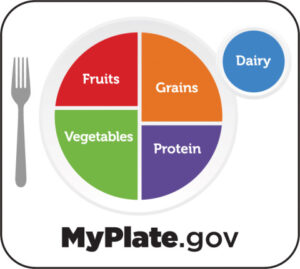
Eating healthy is important, but portion control is just as crucial. Even the best foods can lead to weight gain if you eat too much. Planning a balanced diet is one thing – knowing the right amount to put on your plate is another. By learning what proper portions look like and using The MyPlate guidelines, you can make smarter choices, avoid overeating, and feel confident in your meals.

This guide will show you simple, practical tips to master portion sizes and eat mindfully every day.

What’s a portion, and why does it matter?

How much food you eat affects your calorie intake and therefore weight loss or gain. Two terms are important to know:

  • Serving size is the amount of food listed on a Nutrition Facts label. It’s a guide for how much people usually eat and helps you compare foods.
  • Portion size is how much food you actually choose to eat. This can be more, less, or the same as the serving size.

Calorie needs depend on age, body size, sex, and activity level. As a general guide, many adult men need about 2,200 to 3,000 calories per day, while adult women need about 1,600 to 2,400 calories per day. Your personal needs may be higher or lower. A more precise estimate comes from calculating your Total Daily Energy Expenditure (TDEE), which factors in height, weight, age, and activity. Health conditions and medications can also change energy needs.

Making positive changes like eating more fruits and vegetables helps increase fiber, vitamins, and minerals, while often lowering calorie density. But if your portions are too big, it’s still easy to overeat.

Does “everything in moderation” work?

Not always in equal amounts. A moderate portion of one food might be too much of another. The MyPlate guidelines (from the USDA) show how to balance food groups so you get the nutrients you need.

What does a portion look like?

The best way to check if you’re eating the right amount is to use inexpensive digital kitchen scales and measuring cups. That’s the most accurate way to measure serving sizes. Over time, you’ll get familiar with how healthy portions look on your plate.

Here are general daily targets for adults based on a 2,000–2,500 calorie diet (adjust if your needs are higher or lower):

  • Vegetables: 2½ to 4 cups
  • Fruits: 2 cups
  • Grains: 6 ounce-equivalents (at least half whole grains)
  • Dairy (or fortified alternatives): 3 cups
  • Protein foods: 5½ ounce-equivalents (meat, poultry, seafood, eggs, beans, nuts, seeds)

Top tips for portion control

  • Learn how to read Nutrition Facts labels for serving size and calories.
  • Be mindful when cooking avoid snacking on ingredients.
  • Use measuring cups, spoons, or a food scale for accuracy, especially at first.
  • Avoid doubling up on carbs (like bread and rice); pick one or reduce the portion of each.
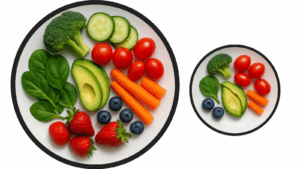
  • Use a smaller plate to make portions look fuller.
  • At restaurants, watch out for buffets or oversized portions.
  • Skip second helpings until you pause to check if you’re full.
  • Serve all food at once, leftovers can be stored for later instead of eaten right away.

    Take Control of Your Portions Today!

    Start putting what you’ve learned into practice. Use a food scale, measuring cups, or your plate as a guide to serve the right portions at every meal. Track your meals, make small swaps, and aim for a balanced plate using The MyPlate guidelines.

    Your health is worth it – start today and see how mindful eating and proper portion control can help you feel fuller, eat smarter, and reach your wellness goals.

    Tip: Take a photo of your plate before each meal for a week, it’s a simple way to stay accountable and notice patterns in your eating.


How Your Surroundings Help You Succeed

One thing you can do for yourself that has a big impact is to make it as easy as possible to build healthier habits. You know what it’s like, the first hurdle that stands in your way can be the death knell of your good intentions: kitchen messy? Guess it’s time for takeout. Favorite exercise clothes in the wash? You don’t want to be uncomfortable, so better put off that workout until they’re clean and dry…

Humans take the path of least resistance, so do your primal brain a favor and make things easy.

In the kitchen

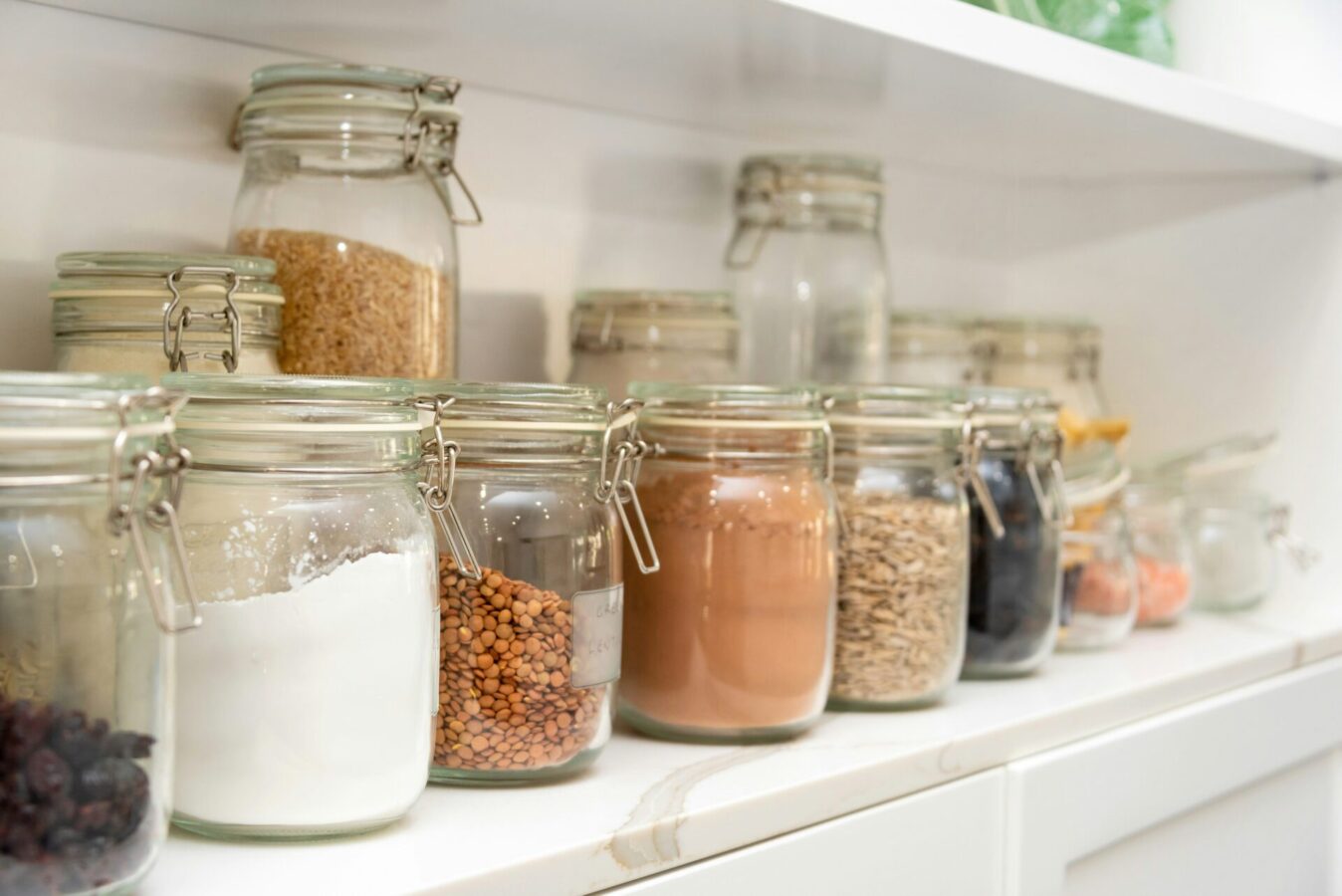
Keep things organized and tidy. No one likes doing the dishes, but it’s a necessary evil. If the kitchen’s looking half-decent, you’ll be much more likely to want to spend time in it preparing healthy meals. And if the kitchen cupboards are organized, you’ll be able to see what you’ve got and make better choices.
Part of organizing your kitchen cupboards is thinking carefully about what you buy. We’ve all got those foods we find difficult to limit – buy them less and move them out of sight when you do buy them. Out of sight, out of mind. Or that’s the idea, anyway.
Avoid having too many food choices. Too much choice can be overwhelming when you’re trying to decide what to eat. Instead, make a weekly meal plan and stick it somewhere you can see it, like on the fridge.
Get rid of food that no longer serves your goals. Give it away to friends or family or donate (sealed, in-date) food to a food bank.
While you’re there, do a sweep and throw away any expired foods.
If you’ve got pesky family members who like to bring home the entire candy aisle, keep their stash somewhere you won’t see often. A few inexpensive boxes or tubs can help.
Visual cues can be incredibly helpful. Bring the fruit, veggies, and other healthy options out of the crisper drawer at the bottom of the fridge and put them at eye level so you can see them clearly when you open the fridge.
Make things convenient. Keep a fruit bowl on a kitchen counter to make it easy to grab a healthy snack.

Around the house

Leave exercise equipment where you can use it easily. Don’t bury your exercise bike in clothes, for example.
Similarly, give yourself a visual cue by leaving your sneakers out somewhere you can see them so they remind you to exercise.
Make your bedroom a haven of peace and relaxation, or at the very least set it up for a good night’s sleep. That means curtains or blinds that block out the light properly, comfortable bedding, and making sure it’s a comfortable temperature when it’s bedtime.
Think about the habits you want to break. If you spend too much time scrolling on your phone, create a designated charging spot and make a point of leaving your phone there to charge in the evening. If watching TV is a trigger for mindless eating, have healthy snacks ready to go (veggie sticks, rice cakes, air-popped popcorn) or do something else like walking on the spot while you watch.

In your relationships

It’s not just about your physical surroundings, it’s also about who you spend your time with. Think about the people in your life and consider how they make you feel about yourself. You want to build relationships with people who encourage you, support you when you need it, and lift you up.

It’s easier said than done, especially when it comes to family, but if you know people who are negative, unsupportive, and make you feel bad about yourself, try and limit how much time you spend with them.

Find your support network (hint, your MAN v FAT Soccer teammates are a good place to start) and lean on them when you need to. We’re easily influenced, so positive social support will rub off on you.

Even better is if you can find friends who have the same goals as you (again, this is a good time to get closer to your MAN v FAT Soccer mates), so you can swap tips and maybe even become exercise buddies.


Get to know DOMS and how to recover from it!

Taken part in your first MAN v FAT Soccer session and can’t walk the next day? That’s DOMS. Painful as it is, it can be a good thing! Here’s how to deal with DOMS.

What are DOMS?

DOMS stands for delayed-onset muscle soreness. It’s muscle soreness you might experience after exercizing, especially if you haven’t exercised for a while or if you’ve had a vigorous session. You might feel it in one place, like your legs, when you move or tense those muscles. It comes on around 24-48 hours after exercise and can last for a few days.

Is it actually DOMS?

It’s important to note here that DOMS are delayed, so it’s not something you feel during exercise. It’s also soreness, so it’s not a sharp or severe pain that stops you from doing everyday activities. That’s more likely to be an injury and is something you should get checked out by a doctor. DOMS makes everyday movement uncomfortable but doable. If, after a walk or warming up your muscles, the discomfort improves, it’s DOMS and not an injury. You can relax, it’s normal. If it’s sharp pain you’re feeling, or limiting your activity, get seen by your GP.

Why do we get DOMS?

DOMS is due to tiny tears in your muscles from moving them in a way your body isn’t used to. That can be from doing an exercise that is new to you or if you exercise more vigorously than you’re used to. This can include returning to exercise after a break. The pain is thought to be the body’s inflammatory response to these tears. It’s a totally normal response to sudden stress put on your muscles, and it’s very common. Though tearing up your muscles  sounds bad, the actual tears are microscopic and easily repaired by your body.

Are DOMS a good thing?

You’ve heard of no pain, no gain, right? Well, feeling sore after exercise isn’t a goal you should aim for per se, because that might lead to you pushing yourself too far and ending up with an injury. Even if you don’t injure yourself, pushing yourself to do too much, too soon, can lead to you feeling fatigued, overwhelmed and demotivated. But there is a small nugget of truth in the ‘no pain, no gain’ philosophy, as when you work your muscles enough to produce these tiny tears, your body will get to work repairing them. And if you give your body the right tools to repair your muscles, it can help you to build muscle mass.

Will I always experience DOMS?

As you get used to being active and your body gets used to the exercises you perform, you’ll experience DOMS less and less. This is where real progress is made, because if you keep it up, you’ll soon be able to do the hard things that once caused you to crawl up the stairs without any soreness the next day. Then you can gradually increase the intensity of your workouts. Of course, if you stop exercizing, then try to exercise at the same intensity after several weeks you’ll likely get DOMS again as your body won’t be used to moving in that way. Also, to hit your fitness goals a varied program alongside MAN v FAT Soccer is beneficial. By trying and performing new exercises you open yourself up to DOMS as muscles are be used in different ways.

How to beat DOMS

You know about delayed onset muscle soreness, but do you know how to recover and prevent them? Let’s dive in.

Recovering from DOMS

Recovering from your soreness in a healthy way is what helps your body repair your muscles and what will lead to that coveted increase in muscle mass. But the important bit here is that you have to do it in a healthy way. Rest is absolutely vital, and if you’re looking to reduce fat and build muscle, rest is just as important as activity.

  • Make sure to have rest days in between your MAN v FAT Soccer sessions and other exercise. This should include ‘active recovery’, where you do light exercise, like stretching and walking. It’ll probably feel awful at first but warming up your muscles gently like this will do them good and is actually one of the most effective ways of easing the soreness through increased blood flow.
  • Try and get enough sleep. Our body does its best repairing and rebuilding when we’re asleep so get your head down.
  • Drink plenty of water and keep up your healthy eating, making sure your diet includes lots of lean protein.
  • Massage your sore muscles. A foam roller can help.

How to prevent DOMS

The only fool-proof way of preventing DOMS completely is not exercizing, but there are things you can do to lessen the soreness. Always make sure you warm up before you start exercizing so that your muscles are warm and ready to go. Make your warm-ups dynamic, meaning that you move around mimicking the movements you’re about to do during the bulk of your workout. Lads, static stretches are old news and don’t serve much of a purpose in a warm up. Similarly, cooling down after your workout is a must to allow your muscles to gradually get used to not moving as vigorously again. Preventing DOMS is mostly about finding a good balance between pushing yourself enough during exercise to have an effect and not overdoing it.

Get the pump?

We all want to be able to instantly do Arnie level workouts at the gym, or be able to outrun Usain Bolt, but listen to your body and go easy. Losing weight takes time and though that can be frustrating, push yourself too hard and you’ll be dealing with a lot more than just a bit of muscle soreness. Injury = woe. If you’re trying to step up your intensity but don’t feel comfortable, try and find a happy medium. How about you gradually increase the intensity instead.


Lose weight, Play Soccer

Secure your spot

Launched in Florida in 2024, MAN v FAT Soccer brings the UK's leading male-only weight loss program to the USA. Find your nearest league and register to secure your spot.

Contact

Email: support@manvfatsoccer.com

Links

Social

MAN v FAT is not liable for any damages arising in contract, tort or otherwise from the use of or inability to use this site or any material contained in it, or from any action or decision taken as a result of using the site. The materials on this site comprise MAN v FAT Soccer’s views; they do not constitute legal or other professional advice. You should consult your professional adviser for legal or other advice. This site offers links to other sites thereby enabling you to leave this site and go directly to the linked site. MAN v FAT Soccer is not responsible for the content of any linked site or any link in a linked site. MAN v FAT Soccer is not responsible for any transmission received from any linked site. The links are provided to assist visitors to our site and the inclusion of a link does not imply that the MAN v FAT Soccer endorses or has approved the linked site. This site is intended to provide friendly and helpful advice and is not a definitive statement of law.

© 2024 MAN v FAT Limited. All rights reserved.

Terms & Conditions  |  Code of Conduct  | RulesPrivacy Policy  |  Cookie Policy  |  Feedback, Complaints & Session Cancellations

Privacy Settings
We use cookies to enhance your experience while using our website. If you are using our Services via a browser you can restrict, block or remove cookies through your web browser settings. We also use content and scripts from third parties that may use tracking technologies. You can selectively provide your consent below to allow such third party embeds. For complete information about the cookies we use, data we collect and how we process them, please check our Privacy Policy
Youtube
Consent to display content from - Youtube
Vimeo
Consent to display content from - Vimeo
Google Maps
Consent to display content from - Google