Category: Player Digest

All About Portions

Eat Smart, Not Just Healthy

Eating healthy is important, but portion control is just as crucial. Even the best foods can lead to weight gain if you eat too much. Planning a balanced diet is one thing – knowing the right amount to put on your plate is another. By learning what proper portions look like and using The MyPlate guidelines, you can make smarter choices, avoid overeating, and feel confident in your meals.

This guide will show you simple, practical tips to master portion sizes and eat mindfully every day.

What’s a portion, and why does it matter?

How much food you eat affects your calorie intake and therefore weight loss or gain. Two terms are important to know:

  • Serving size is the amount of food listed on a Nutrition Facts label. It’s a guide for how much people usually eat and helps you compare foods.
  • Portion size is how much food you actually choose to eat. This can be more, less, or the same as the serving size.

Calorie needs depend on age, body size, sex, and activity level. As a general guide, many adult men need about 2,200 to 3,000 calories per day, while adult women need about 1,600 to 2,400 calories per day. Your personal needs may be higher or lower. A more precise estimate comes from calculating your Total Daily Energy Expenditure (TDEE), which factors in height, weight, age, and activity. Health conditions and medications can also change energy needs.

Making positive changes like eating more fruits and vegetables helps increase fiber, vitamins, and minerals, while often lowering calorie density. But if your portions are too big, it’s still easy to overeat.

Does “everything in moderation” work?

Not always in equal amounts. A moderate portion of one food might be too much of another. The MyPlate guidelines (from the USDA) show how to balance food groups so you get the nutrients you need.

What does a portion look like?

The best way to check if you’re eating the right amount is to use inexpensive digital kitchen scales and measuring cups. That’s the most accurate way to measure serving sizes. Over time, you’ll get familiar with how healthy portions look on your plate.

Here are general daily targets for adults based on a 2,000–2,500 calorie diet (adjust if your needs are higher or lower):

  • Vegetables: 2½ to 4 cups
  • Fruits: 2 cups
  • Grains: 6 ounce-equivalents (at least half whole grains)
  • Dairy (or fortified alternatives): 3 cups
  • Protein foods: 5½ ounce-equivalents (meat, poultry, seafood, eggs, beans, nuts, seeds)

Top tips for portion control

  • Learn how to read Nutrition Facts labels for serving size and calories.
  • Be mindful when cooking avoid snacking on ingredients.
  • Use measuring cups, spoons, or a food scale for accuracy, especially at first.
  • Avoid doubling up on carbs (like bread and rice); pick one or reduce the portion of each.
  • Use a smaller plate to make portions look fuller.
  • At restaurants, watch out for buffets or oversized portions.
  • Skip second helpings until you pause to check if you’re full.
  • Serve all food at once, leftovers can be stored for later instead of eaten right away.

    Take Control of Your Portions Today!

    Start putting what you’ve learned into practice. Use a food scale, measuring cups, or your plate as a guide to serve the right portions at every meal. Track your meals, make small swaps, and aim for a balanced plate using The MyPlate guidelines.

    Your health is worth it – start today and see how mindful eating and proper portion control can help you feel fuller, eat smarter, and reach your wellness goals.

    Tip: Take a photo of your plate before each meal for a week, it’s a simple way to stay accountable and notice patterns in your eating.


How Your Surroundings Help You Succeed

One thing you can do for yourself that has a big impact is to make it as easy as possible to build healthier habits. You know what it’s like, the first hurdle that stands in your way can be the death knell of your good intentions: kitchen messy? Guess it’s time for takeout. Favorite exercise clothes in the wash? You don’t want to be uncomfortable, so better put off that workout until they’re clean and dry…

Humans take the path of least resistance, so do your primal brain a favor and make things easy.

In the kitchen

Keep things organized and tidy. No one likes doing the dishes, but it’s a necessary evil. If the kitchen’s looking half-decent, you’ll be much more likely to want to spend time in it preparing healthy meals. And if the kitchen cupboards are organized, you’ll be able to see what you’ve got and make better choices.
Part of organizing your kitchen cupboards is thinking carefully about what you buy. We’ve all got those foods we find difficult to limit – buy them less and move them out of sight when you do buy them. Out of sight, out of mind. Or that’s the idea, anyway.
Avoid having too many food choices. Too much choice can be overwhelming when you’re trying to decide what to eat. Instead, make a weekly meal plan and stick it somewhere you can see it, like on the fridge.
Get rid of food that no longer serves your goals. Give it away to friends or family or donate (sealed, in-date) food to a food bank.
While you’re there, do a sweep and throw away any expired foods.
If you’ve got pesky family members who like to bring home the entire candy aisle, keep their stash somewhere you won’t see often. A few inexpensive boxes or tubs can help.
Visual cues can be incredibly helpful. Bring the fruit, veggies, and other healthy options out of the crisper drawer at the bottom of the fridge and put them at eye level so you can see them clearly when you open the fridge.
Make things convenient. Keep a fruit bowl on a kitchen counter to make it easy to grab a healthy snack.

Around the house

Leave exercise equipment where you can use it easily. Don’t bury your exercise bike in clothes, for example.
Similarly, give yourself a visual cue by leaving your sneakers out somewhere you can see them so they remind you to exercise.
Make your bedroom a haven of peace and relaxation, or at the very least set it up for a good night’s sleep. That means curtains or blinds that block out the light properly, comfortable bedding, and making sure it’s a comfortable temperature when it’s bedtime.
Think about the habits you want to break. If you spend too much time scrolling on your phone, create a designated charging spot and make a point of leaving your phone there to charge in the evening. If watching TV is a trigger for mindless eating, have healthy snacks ready to go (veggie sticks, rice cakes, air-popped popcorn) or do something else like walking on the spot while you watch.

In your relationships

It’s not just about your physical surroundings, it’s also about who you spend your time with. Think about the people in your life and consider how they make you feel about yourself. You want to build relationships with people who encourage you, support you when you need it, and lift you up.

It’s easier said than done, especially when it comes to family, but if you know people who are negative, unsupportive, and make you feel bad about yourself, try and limit how much time you spend with them.

Find your support network (hint, your MAN v FAT Soccer teammates are a good place to start) and lean on them when you need to. We’re easily influenced, so positive social support will rub off on you.

Even better is if you can find friends who have the same goals as you (again, this is a good time to get closer to your MAN v FAT Soccer mates), so you can swap tips and maybe even become exercise buddies.


Get to know DOMS and how to recover from it!

Taken part in your first MAN v FAT Soccer session and can’t walk the next day? That’s DOMS. Painful as it is, it can be a good thing! Here’s how to deal with DOMS.

What are DOMS?

DOMS stands for delayed-onset muscle soreness. It’s muscle soreness you might experience after exercizing, especially if you haven’t exercised for a while or if you’ve had a vigorous session. You might feel it in one place, like your legs, when you move or tense those muscles. It comes on around 24-48 hours after exercise and can last for a few days.

Is it actually DOMS?

It’s important to note here that DOMS are delayed, so it’s not something you feel during exercise. It’s also soreness, so it’s not a sharp or severe pain that stops you from doing everyday activities. That’s more likely to be an injury and is something you should get checked out by a doctor. DOMS makes everyday movement uncomfortable but doable. If, after a walk or warming up your muscles, the discomfort improves, it’s DOMS and not an injury. You can relax, it’s normal. If it’s sharp pain you’re feeling, or limiting your activity, get seen by your GP.

Why do we get DOMS?

DOMS is due to tiny tears in your muscles from moving them in a way your body isn’t used to. That can be from doing an exercise that is new to you or if you exercise more vigorously than you’re used to. This can include returning to exercise after a break. The pain is thought to be the body’s inflammatory response to these tears. It’s a totally normal response to sudden stress put on your muscles, and it’s very common. Though tearing up your muscles  sounds bad, the actual tears are microscopic and easily repaired by your body.

Are DOMS a good thing?

You’ve heard of no pain, no gain, right? Well, feeling sore after exercise isn’t a goal you should aim for per se, because that might lead to you pushing yourself too far and ending up with an injury. Even if you don’t injure yourself, pushing yourself to do too much, too soon, can lead to you feeling fatigued, overwhelmed and demotivated. But there is a small nugget of truth in the ‘no pain, no gain’ philosophy, as when you work your muscles enough to produce these tiny tears, your body will get to work repairing them. And if you give your body the right tools to repair your muscles, it can help you to build muscle mass.

Will I always experience DOMS?

As you get used to being active and your body gets used to the exercises you perform, you’ll experience DOMS less and less. This is where real progress is made, because if you keep it up, you’ll soon be able to do the hard things that once caused you to crawl up the stairs without any soreness the next day. Then you can gradually increase the intensity of your workouts. Of course, if you stop exercizing, then try to exercise at the same intensity after several weeks you’ll likely get DOMS again as your body won’t be used to moving in that way. Also, to hit your fitness goals a varied program alongside MAN v FAT Soccer is beneficial. By trying and performing new exercises you open yourself up to DOMS as muscles are be used in different ways.

How to beat DOMS

You know about delayed onset muscle soreness, but do you know how to recover and prevent them? Let’s dive in.

Recovering from DOMS

Recovering from your soreness in a healthy way is what helps your body repair your muscles and what will lead to that coveted increase in muscle mass. But the important bit here is that you have to do it in a healthy way. Rest is absolutely vital, and if you’re looking to reduce fat and build muscle, rest is just as important as activity.

  • Make sure to have rest days in between your MAN v FAT Soccer sessions and other exercise. This should include ‘active recovery’, where you do light exercise, like stretching and walking. It’ll probably feel awful at first but warming up your muscles gently like this will do them good and is actually one of the most effective ways of easing the soreness through increased blood flow.
  • Try and get enough sleep. Our body does its best repairing and rebuilding when we’re asleep so get your head down.
  • Drink plenty of water and keep up your healthy eating, making sure your diet includes lots of lean protein.
  • Massage your sore muscles. A foam roller can help.

How to prevent DOMS

The only fool-proof way of preventing DOMS completely is not exercizing, but there are things you can do to lessen the soreness. Always make sure you warm up before you start exercizing so that your muscles are warm and ready to go. Make your warm-ups dynamic, meaning that you move around mimicking the movements you’re about to do during the bulk of your workout. Lads, static stretches are old news and don’t serve much of a purpose in a warm up. Similarly, cooling down after your workout is a must to allow your muscles to gradually get used to not moving as vigorously again. Preventing DOMS is mostly about finding a good balance between pushing yourself enough during exercise to have an effect and not overdoing it.

Get the pump?

We all want to be able to instantly do Arnie level workouts at the gym, or be able to outrun Usain Bolt, but listen to your body and go easy. Losing weight takes time and though that can be frustrating, push yourself too hard and you’ll be dealing with a lot more than just a bit of muscle soreness. Injury = woe. If you’re trying to step up your intensity but don’t feel comfortable, try and find a happy medium. How about you gradually increase the intensity instead.


Fuel Your Goals: Why Tracking Your Food Can Transform Your Weight Loss Journey

When you signed up for MAN v FAT Soccer, you joined a program designed to help you lose weight, build sustainable habits, and become part of a team that truly supports you. Every week, you show up, give it your all on the field, and back your teammates – but what you do during the other 167 hours of the week is just as important.

Whether you’re using an app or jotting down notes in your phone, logging what you eat and drink consistently can help you get better results, stay accountable, and even earn goals for your team.

Here’s why tracking works – and how to make it work for you.

Why Track Your Food?

We often underestimate how much we’re really eating – even when we’re trying to make healthy choices. A splash of oil while cooking? That big spoonful of mayo? Those two cookies with a coffee? It all adds up.

Food tracking helps you:

  • Get clarity – You’ll see exactly what you’re eating, making it easier to spot quick wins and unhelpful habits.

  • Stay in control – Knowing what’s going in means you can start making intentional, positive changes.

  • Build momentum – Logging regularly turns tracking into a habit – and that habit leads to results.

Many of our members say that simply logging their food makes them stop and think. That pause? That’s where change begins.

Track It = Earn Goals for Your Team

This isn’t just about your individual progress. At MAN v FAT Soccer, what you do off the field can earn your team bonus goals – even if you don’t lose weight that week.

According to our official rules, your team can earn up to 3 goals per week just by showing your coach a completed food diary or tracker.

So by tracking and sharing it with your coach, you’re helping your team succeed before a ball is even kicked.

How Can You Track?

There’s no one “right” way – the best method is the one you’ll stick to. Here are some popular tracking options:

Apps – easy to use and full of helpful features:

  • MyFitnessPal – One of the most popular options in the US, with a huge food database and an easy barcode scanner.
  • Lose It! – User-friendly with a colorful interface and great goal-tracking features
  • Cronometer – Ideal for those who want detailed nutrient tracking beyond just calories and macros.

Notes – use the Notes app on your phone to list meals each day – quick, simple, and effective.

Whichever method you choose, aim to use it daily – even when the day doesn’t go to plan. Especially then.

Top Tips for Smarter Tracking

We get it – tracking can feel like a lot at first. But here are some practical tips from members who’ve made it part of their weekly routine:

  • Start small – Don’t aim for perfect. Begin by tracking one or two meals a day, and build from there.

  • Use the barcode scanner – Most apps let you scan barcodes to instantly log your food.

  • Weigh when you can – Using a food scale occasionally helps you learn portion sizes, especially for things like cereal, pasta, and cooking oils.

  • Watch out for hidden calories – Sauces, oils, spreads, and drinks can all add sneaky calories. Log them honestly to stay in control.

  • Plan ahead – Pre-log meals in the morning or night before. It takes the guesswork out of your day.

  • Share with your coach – Showing your tracking means your coach can support you better – and it shows your team you’re putting in the effort.

Take Control, One Meal at a Time

Tracking your food isn’t about being perfect – it’s about being consistent, staying mindful, and making progress. Whether you’re using an app or notes on your phone, the key is to stick with it – even on the hard days. Especially on the hard days.

You’re already showing up, working hard, and being part of your team. This is one more way to elevate your game – and you’ll see the results both on the scale and on the scoreboard.

So take the next step. Start tracking today. Show it to your coach. And help your team rise to the top of the table – together.


Physio Spotlight: Warm Ups

How do I know a quick 5-minute stretch doesn’t make you match ready? Because that’s exactly what I did when I turned up to my first game and I’ve seen plenty of other guys do it too. In that first match, I played for 5 minutes, made one sprint down the right wing, and tore my calf. That injury took me out of a playoff-contending team for weeks. Worse still, it hit my motivation hard, playing soccer was one of the biggest reasons I joined MAN v FAT Soccer to begin with.

Could it have been prevented? Maybe. Injuries can strike at any time. I’ve seen guys tear ACLs from non-contact movements, just an awkward twist or landing – even perfectly healthy, fit players aren’t immune. There are no guarantees, but you can take steps to reduce your risk. And one of the best is a proper warm-up.

A warm-up prepares your muscles for the movement and impact you’re about to put them through. It loosens joints, activates muscles, and sets your body up to perform. Warm-ups reduce stiffness in connective tissues, improve nerve signals, and help your muscles respond better to what’s coming.

Clinical research shows that structured warm-up routines can cut injury risk by a massive 50%. Spending just 30 minutes warming up can improve blood flow, boost oxygen delivery, and delay fatigue – meaning fewer muscle tears and strains. It also gradually raises your heart rate and gets your cardiovascular system prepped for the match.

According to Brukner and Khan (a go-to guide in sports medicine), a quality warm-up should include jogging, general stretching (both static and dynamic), and resistance-based exercises. Stretching helps increase your range of motion, which not only prevents injury but can also improve performance and reduce soreness.

Your warm-up should reflect the sport you’re playing. For soccer, that means movements like shooting, passing, and ball control. Strike a few balls into an empty net. Move laterally. Mimic the motions you’ll use in-game.

And don’t underestimate the mental benefits. Warm-ups give you a chance to mentally prepare, build focus, and get your head in the game. You can talk tactics, connect with teammates, and ease any nerves. Jumping straight into a match without getting into the right frame of mind—and body—can throw you completely off.

What Can I Do to Warm Up?

Jogging
Light jogging helps your body adjust to the physical demands of soccer. It warms you up and raises your heart rate.
Can’t jog? A brisk 5–10-minute walk will work too.

Resistance Bands
Resistance bands are great for activating specific muscles and adding load to your warm-up. They’re different from traditional stretching and target key muscle groups. Research even shows loaded dynamic warm-ups improve power and performance in sports. Boom.

Try these:

  • Side steps

  • Donkey kicks

  • Kicking motions

Static Stretching

Static stretching involves holding a position for around 30 seconds. It’s basic, safe, and helps your muscles relax.
Make sure it feels comfortable. If there’s any pain, ease up – you’re likely overstretching.

Examples:

  • Calf stretch

  • Cross-arm shoulder stretch

  • Hamstring stretch

Dynamic Stretching

Dynamic stretches involve controlled movement and mimic soccer-specific actions. These increase your heart rate and promote mobility through multiple planes of motion. They also enhance nerve activity and prepare your muscles for gameplay.

Examples:

  • High knees

  • Leg swings

  • Open and close the gate

  • Arm circles

  • Skips

  • Heel flicks

  • Sweeping the turf

Set up cones about 15 paces apart and move between them while performing each stretch. It keeps things fluid and fun.

Warm up do’s and don’ts

When it comes to warming up for a MAN v FAT Soccer match, it’s important to get it right without overdoing it. Aim to raise your heart rate and feel your muscles activating, but don’t push yourself so hard that you’re out of breath before kick-off. You want to break a sweat, not burn out. Avoid the “no pain, no gain” mentality, it doesn’t apply here. Focus on movements that mimic what you’ll actually be doing during the game, especially lower body exercises and light cardio. Keep static stretches short and controlled; they have their place, but deep stretching before a match can do more harm than good, especially if you’re just getting back into fitness. Also, steer clear of ballistic stretching – those quick, jerky motions at the end of a stretch aren’t worth the risk. A well-paced, sport-specific warm-up that gets your body moving and your mind focused is your best bet for staying injury-free and playing at your best.

Warm-Up Plan

Resistance Bands

  • Side steps: 30 sec each direction

  • Donkey kicks: 30 sec each leg

  • Front kicks: 30 sec each leg

  • Adductor stretch: both legs

  • Abductor stretch: both legs

Dynamic Stretches (move between cones)

  • High knees

  • Front leg flicks

  • Mimic passing (alternate feet)

  • Open the gate

  • Close the gate

  • Cross-body kicks

  • Sweep the turf

  • Heel flicks

  • Jog with arm rotations

  • High-knee skips

Static Stretches

  • Hamstring stretch

  • Quad stretch

  • Groin stretch

  • Cross-body shoulder stretch

That’s your full pre-match warm-up! Stick to it, tweak it to suit your body, and give yourself the best shot at avoiding injury and enjoying every minute on the pitch with MAN v FAT Soccer.


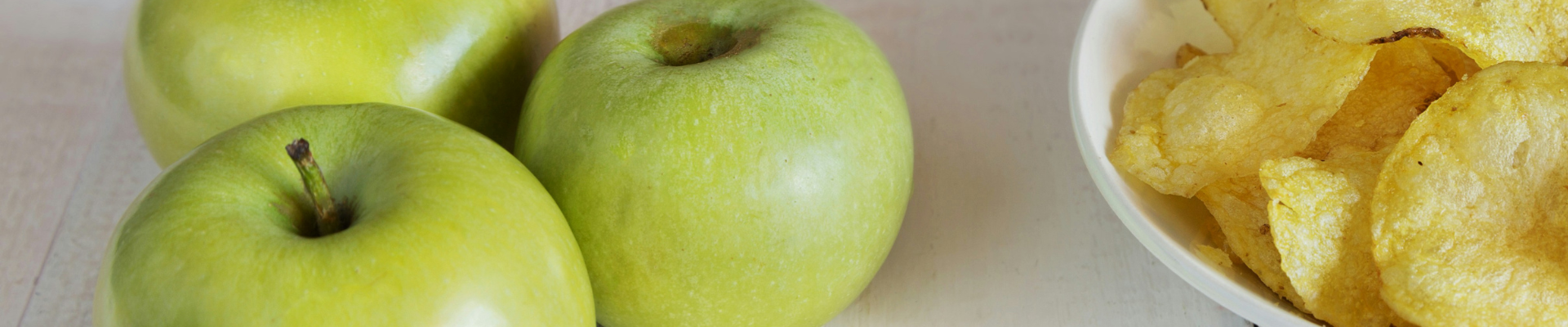
Curb your emotional eating

Found yourself reaching into a family bag of chips when feeling down, stressed, or bored? You’re probably an emotional eater.

Many of us turn to food for comfort when things get tough, and you probably don’t even realize you’re doing it. It’s a common and completely normal response to difficult feelings like anger, sadness, loneliness, and boredom, but it’s a pain when you’re trying to lose weight.

Why do we comfort eat?

Sometimes eating just feels good, especially when we’re feeling far from happy. Eating triggers a release of dopamine (aka the pleasure hormone) in the brain, so we’re hardwired to seek out these pleasurable foods.

But while it feels like it’s helping in the moment, eating doesn’t fix the underlying issue, so we end up still wrestling with our emotions but with the added complication of feeling ashamed or guilty about overeating.

How can I stop emotional eating?

It’s a tough one, because when we’re in that cycle of turning to food when we feel down (or angry, or stressed, or lonely), nothing else feels like it’ll help, and the more you do something the harder it is to change.

Here are some ways you can begin to break the habit:

  • Feel your feelings. Get into the habit of asking yourself ‘how am I really feeling?’ because all too often we try to bury unwanted feelings. Acknowledging that you feel angry, low, or lonely is the first step to figuring out what to do about it that doesn’t involve food.
  • Learn to question why you want to eat. Sometimes you’ll be genuinely hungry, and that’s fine! But we tend to know the difference between emotional urges to eat and actual hunger, so if you think you want to splurge on snacks because you need a pick me up, stop and think about whether it’ll help. Most of the time it won’t.
  • Have an action plan. Ok, so you’ve figured out that you want to eat because you want to cheer yourself up. What can you do to lift your mood that doesn’t involve food? Perhaps you could go for a walk, watch a few episodes of your favorite sitcom, play a video game or meet up with a friend. It always helps to have a few things you can turn to.
  • Don’t go shopping when you’re hungry or stressed. Honestly, if you go shopping when you’re hungry or you’re looking for comfort food, you’ll buy the whole store. Save the food shop for when you’ve eaten and have written a meal plan and a shopping list.
  • Avoid buying foods you’ll overeat. Some people can have loads of snacks in the kitchen for weeks and not bother with them, but others can and do eat them all at once. If you know you’re likely to overeat when you’ve got tempting foods in the house, stop buying them, at least for now.
  • Plan your menu and weekly shop. Getting into a routine with what you eat can help cut back on those moments of uncertainty where you end up calling for a comforting takeout because you’ve got nothing in. Make a meal plan and shop for it, and then you’ll know exactly what the plan is for food.
  • Look after yourself. If you’re really struggling with how you’re feeling, it’s time to take a good look at how you can improve things. Work, relationships, money problems…our headspace gets battered when things aren’t going well, so taking steps to improve your situation can help you feel more in control.

Above all, be kind to yourself – emotional eating is a hard habit to break, but it is possible. Take it slow, and don’t beat yourself up if despite your best efforts you end up sprawled on the couch with a tub of Ben & Jerry’s after a hard day.


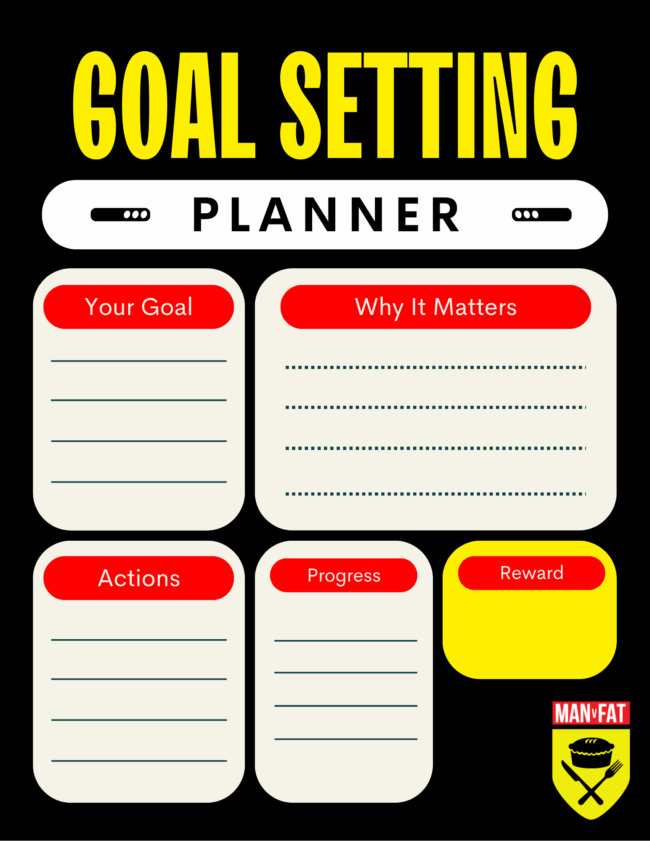
Using SMART goals to lose weight

You know you want to lose weight, but do you know how much you want to lose and why it matters? Grab a pen and let’s make a plan.

Sweeping statements like ‘I want to be healthy’ and ‘I want to feel confident’ are well meant, but they do little to spur us into action.

Setting yourself some healthy ambitions, goals and targets, on the other hand, can be really motivating. Finding out why you want to lose weight, really digging into the reasons behind it, can mean the difference between plodding along as you are and dropping the pounds.

Finding a healthy weight

A body mass index (BMI) calculator can tell you what your healthy weight range is. It’s imperfect as it’s not accurate for everyone, including athletes who have a very high muscle mass. Many experts consider the waist-to-height ratio a more accurate way to measure things.

A healthy BMI is between 18.5 and 25, so picking a goal weight between these two numbers is a great place to start. Or aim to lose 5% of your body weight as studies have found this to be a point where you’ll see great health improvements.

Track your progress in different ways

This is so important as weight loss isn’t always linear. Hormonal changes, what we’ve eaten and even the time we weigh can all affect the numbers on the scales.

Even if you’re doing all the right things, sometimes the numbers don’t head straight down. We’ve all been there and know how disheartening that is, so try taking photos to see your progress instead of relying solely on the scales.

Sometimes losing a few pounds might seem insignificant but you’ll be able to spot the difference in a photo. Taking measurements weekly and seeing the inches melt away can also be extremely satisfying.

Set mini goals

It can feel daunting if you’ve got a lot of weight to lose. It might be some time before you’ll get to your goal weight but break it down into manageable chunks so you can celebrate each step.

Ticking off every 7lbs lost and every stone is very encouraging, with each mini goal bringing you closer to your ultimate goal. You can also add in a celebration when you lose 5% and 10% of your body weight. Don’t forget, every loss brings health benefits as well as goal points for your team too.

Set SMART goals

Set yourself some SMART goals to help you reach your weight loss targets. Don’t forget, weight loss isn’t all about the numbers on a scale, it’s how you feel, how your clothes fit etc., so factor this in too. Your goals should be:

  • Specific
    • Be clear about what you’d like to achieve. “I’d like to lose 16lbs, which is 5% of my starting weight” is better than “I’d like to lose weight”.
  • Measurable
    • “I’d like to be able to wear my favorite jeans again” is better than “I’d like to fit into smaller sizes” because it’s something you can easily measure.
  • Achievable
    • Be realistic. As much as we’d like it to, 5 stone won’t come off in a week, nor will you be able to run a marathon in a month if you’ve never run before. But committing to tracking what you eat every day for a week, or sticking to the couch to 5k running plan is achievable and something you can keep building on.
  • Relevant
    • Not everyone who wants to lose weight will have the same goals. If you’re not interested in going to the gym, that’s fine, instead focus your attention elsewhere. Don’t give yourself the goal of going to the gym 3 times a week because you think that’s what you should be doing. Make your goals as personal to you as you can. If, for example, you enjoy cooking, make it your goal to cook more healthy meals as a way of eating better.
  • Time-limited
    • Give yourself a realistic timeframe for achieving your goal. If you don’t, you could find excuses can sneak in and you’ll easily justify putting things off for another day.

Try writing down your SMART goals to give yourself a real goal that you can visualize and are more likely to achieve.

Setting rewards

It’s important to mark your achievements, you’re working very hard to get them. Try and reward yourself with things that’ll help you reach your goal. Treat yourself to a new workout shirt or a sports massage for those newly worked muscles.

Other ideas include activities like a trip to the cinema or a gig, something active like bowling or ice skating or even just a PS5 game you’ve had your eye on.

Another motivating way of marking special achievements is adding a coin to an empty jar for every pound you lose. This is a great visual representation of your weight loss and can be built on until you reach your goal weight. You can then treat yourself with the proceeds – since you’ll probably need it to buy new clothes in smaller sizes.

Bit by bit, you can lose all the weight you need to. By setting SMART goals, you won’t feel overwhelmed by the challenge, and you’ll enjoy achieving each milestone.


WTF is a calorie deficit?

Heard of a calorie deficit but not sure if that’s good, bad, or just another fad? It’s actually the fundamental of weight loss, so let’s see what it means.

No wonder weight loss feels like a minefield when there are so many different approaches and so much jargon to wade through. But this one is different, and it’s worth taking the time to understand it.

You’ve probably heard of a ‘calorie deficit’, but if you’re not a personal trainer or someone with extensive experience of weight loss, you might not know what it means.

What is a calorie deficit?

To lose weight, you need to eat and drink fewer calories than you burn. When you do that, you’re creating a calorie deficit – where the number of calories from food and drink is smaller than the number of calories you’ve burned through activity and body processes.

But how do I know if I’m eating fewer calories than I burn?

There are two ways you burn calories – through the activity you do every day (which includes exercise and other movement like walking around) and through the necessary things your body does to stay alive (which includes things like breathing, your heart beating, cell production, etc.).

The number of calories your body uses is known as your basal metabolic rate (BMR). It’s influenced by a lot of things, like your age, height, weight, gender, and even the temperature of your environment.

As well as your BMR, for weight loss you need to figure out your total daily energy expenditure (TDEE) – yep, another bit of lingo for you.

While your BMR is how many calories your body needs to stay alive, your TDEE also includes the activity you do (both exercise sessions and general activity). It’s an estimate of how many calories you burn in a day in total, which includes your BMR.

Confused? It’s a lot to take in, but once you figure your own BMR and TDEE numbers out it gives you a great start for counting calories, which will lead to weight loss.

The most accurate way to get your BMR is to be monitored in a lab, fasting beforehand and breathing into a special mask for an entire day and night to see how many calories you burn when resting.

Since we’re guessing you don’t have access to a lab and a team of scientists, you can use a widely accepted equation that has been found to be pretty accurate. It’s called the Mifflin-St Jeor equation and will give you your individual number based on all the variables we mentioned above.

Don’t fret about the math! This free online calculator will work it out for you.

Your TDEE is how many calories you’d need to eat to maintain your weight. For weight loss, you need to eat fewer calories than your TDEE. It’s usually recommended that you subtract 500 from your TDEE to lose weight at a safe pace.

If you’re thinking the number seems higher than what MyFitnessPal gives you, remember that MyFitnessPal tends to give everyone a 1,200 calorie goal based on sedentary, smaller people. Your TDEE and subsequent calorie goal is personalized to you.

An example

Let’s take Bob as an example. He’s 36, weighs 280lbs and is 5ft 10. He does little to no exercise.

Using the calculator mentioned above, his TDEE is 2648. To lose weight, he should subtract 500 and start off by eating 2148 calories a day.

How to eat in a calorie deficit

The number you end up with after subtracting 500 from your TDEE is how many calories you should aim to eat every day. You can track calories using an app like MyFitnessPal (free with a paid premium version) or Lose It! (also free with a paid premium version), or you can do it the old school way and use pen and paper, although apps make it way easier.

How to eat for weight loss is personal preference, but in general you should aim to increase your fruit and veg intake, cut down on processed foods and booze, and eat plenty of foods high in protein and fiber.

Your calorie needs will change as you lose weight, so it’s a good idea to recalculate after you’ve lost a chunk of weight or if you feel your weight loss has stalled.


Improve your kitchen confidence

he thought of cooking meals from scratch is daunting, especially when you’ve got to worry about them being healthy too. But it’s not all you’ve built it up to be in your head: it can be as simple as you want. 

But I don’t know what I’m doing! 

Lower your expectations. Ok, so you’re not serving up a Michelin-starred meal, but you don’t need to. Find a simple recipe and take it one step at a time. You can read, you can follow instructions, there’s not much more to it than that. 

But I might get it wrong! 

There will be times when you forget to add a vital ingredient, or something doesn’t rise in the oven. Mistakes are part and parcel of learning something new, and it’s ok to get it wrong sometimes.  

It’s all a learning curve; the trick is to actually learn from your mistakes. Use a timer, read the recipe thoroughly, keep an eye on your food while it’s cooking, and you can’t go far wrong. 

But I could give people food poisoning! 

You could. But if you follow the recipe and practice good kitchen hygiene, it’s highly unlikely. Wash your hands regularly, clean surfaces, cook things thoroughly and you’ll be fine. 

But I don’t have the time! 

Sorry, we’re not buying it. You really don’t need to spend hours in the kitchen to make something nutritious, delicious, and satisfying. Sure, it might take a bit of planning and sacrifice to fit it into your day, but how long do you spend scrolling on social media?!

  • Make a meal plan. Writing down what you’re going to make and when helps you know what’s what, and you can plan around any busy days you’ve got in the week. 
  • Try doing some batch cooking. That sounds daunting, but it just means making more of what you’re making anyway, like making chili for 6 when there’s only 3 of you eating – that’s 3 extra portions you can store in the freezer, ready to reheat when you need it. 
  • Use a slow cooker. You can pick them up cheaply, and they’re easy to use. Just add vegetables, stock, and a joint of meat in the morning and you’ll come home to a hearty stew ready for serving up. They’re also great for making sauces, soups, casserole, and even baked potatoes.  
  • Take shortcuts. There’s nothing wrong with taking the easy option. Buy your vegetables pre-chopped and frozen, use pureed garlic instead of fresh, bottled lemon juice instead of juicing fresh lemons, etc.  

Tips for the novice cook 

  1. Invest in a few sharp knives. They’ll make chopping and slicing so much easier and safer. 
  2. Read the recipe and method thoroughly, from start to finish, before you begin. You don’t want to come across any surprises halfway through. 
  3. Taste it as you go (apart from raw meat and fish of course). It’s much easier to add more flavor than to remove it. 
  4. Clean as you go. This’ll help you avoid being swamped by pots, pans, and messy worktops when you’re finished. 
  5. Start simple. Think about healthy meals you enjoy and go from there. A basic tomato sauce is a good one to master: chopped onion, garlic, canned tomatoes, seasoned with black pepper and salt. Add basil for Italian dishes (Bolognese, lasagna, etc.) or paprika for Moroccan-style dishes.  
  6. Buy a spray oil to minimize the use of oil in your cooking. A tablespoon of olive oil has 119 calories, so it soon adds up. PAM cooking spray is 1 cal per spray and widely available. 
  7. Get to know your flavors. Lots of cuisines have classic combinations of herbs and spices that can really elevate your dishes, so it’s worth buying a few to keep in: 

    – Italian: Onions, oregano, garlic  

    – Mexican: Cumin, chili, coriander  

    – Indian: Turmeric, coriander, cumin, cardamom  

    – English: Bay leaf, sage, parsley

  8. Get online: YouTube and food websites are your friend when you’re looking for healthy recipes and explainer videos to show you methods. BBC Good Food, for example, has this fantastic piece to show you 25 basic skills every cook should know 

Weight loss feels a lot easier when you know you can cook whatever, whenever. Play some good music, relax, and get stuck in – you’ll soon find that it’s not as hard as you’re expecting, and you might even enjoy it. 


Measuring success without the scales

Sometimes, the scales are not our friend. It’s all too easy to get hung up on what they say each week, and it can be distressing when things aren’t going the way you’d hoped. When that happens, try not to take it to heart – there’s a whole lot more to weight loss than just the reading you get at a specific time.

Weight loss isn’t linear, which can be a hard thing to wrap your head around. That’s why you should focus on your non-scale victories as well as keeping a log of your weight. Keep a list on your phone or in a notebook and make a note of them when you notice them, so you can go back for a hit of motivation when you need it.

What are non-scale victories?

Non-scale victories (NSVs) are anything positive you notice about your weight loss – but as the name suggests, we’re not talking the number on the scales. Here are some examples of NSVs:

Measurements

A soft tape measure is a handy bit of kit for checking your weight loss progress. Take regular measurements of the same parts of your body: hips, waist, chest, thighs. You’ll soon see the inches falling away as you lose weight.

Photos

Take regular, full-length photos. You’re probably not going to feel comfortable taking them or looking at them, but no one has to see them but you, and sometimes we only see how much we’ve changed when looking back at photos.

Clothing

Pick a non-stretchy, structured item of clothing like jeans or a shirt and try it on once a month. As your body shape changes, you’ll notice how it feels (and looks) different on you.

Mood and energy

Eating better often leads to an increase in energy, as you’re fueling your body with what it needs to flourish. Losing weight can also help with your sleep quality too, especially if you snore or have sleep apnea.

Your mood may improve too, thanks to the feel-good hormones released when you get active, plus the sense of accomplishment when you start hitting your weight loss goals.

Fitness

Your strength, flexibility and endurance will get better and better the more you move. Make a note of your workouts, and you’ll soon see how something you found difficult in week 1 is a breeze by week 12.

Ease of movement

Losing weight is good news for your joints, which will start to move more freely and won’t ache as much. This is often a big one for guys losing weight, so if you notice your knees aren’t aching at the end of a long day as much as they were before, that’s a huge deal!

Everyday tasks

As you lose weight and your fitness improves, you’ll find that doing things like housework, climbing the stairs, and carrying shopping all become easier.

Comfortable digestion

Gone are the days of seemingly never-ending bloating and gas. Good food moves through your body better, and you’ll feel much better because of it.

Improved medical markers

Losing even a small amount of weight can help improve many medical markers, like your blood pressure, cholesterol levels, and glucose levels. Each step you take towards losing weight is a positive step towards lowering your risk of developing serious health conditions.

All these improvements to your health and wellbeing are something to celebrate, but try not to fall into the trap of rewarding yourself with food. Instead, reward yourself with:

  • Playing your favorite video game, or treating yourself to a new one you’ve had your eye on
  • Binge-watching your favorite show
  • Meeting up with a friend for a coffee
  • Reading a good new book
  • Meditating
  • Listening to your favorite music
  • Going to the cinema

Whatever you choose is up to you. Have fun, but remember not to go too nuts – you’ve still got weight to lose, after all!


Lose weight, Play Soccer

Secure your spot

Launched in Florida in 2024, MAN v FAT Soccer brings the UK's leading male-only weight loss program to the USA. Find your nearest league and register to secure your spot.

Contact

Email: support@manvfatsoccer.com

Links

Social

MAN v FAT is not liable for any damages arising in contract, tort or otherwise from the use of or inability to use this site or any material contained in it, or from any action or decision taken as a result of using the site. The materials on this site comprise MAN v FAT Soccer’s views; they do not constitute legal or other professional advice. You should consult your professional adviser for legal or other advice. This site offers links to other sites thereby enabling you to leave this site and go directly to the linked site. MAN v FAT Soccer is not responsible for the content of any linked site or any link in a linked site. MAN v FAT Soccer is not responsible for any transmission received from any linked site. The links are provided to assist visitors to our site and the inclusion of a link does not imply that the MAN v FAT Soccer endorses or has approved the linked site. This site is intended to provide friendly and helpful advice and is not a definitive statement of law.

© 2024 MAN v FAT Limited. All rights reserved.

Terms & Conditions  |  Code of Conduct  | RulesPrivacy Policy  |  Cookie Policy  |  Feedback, Complaints & Session Cancellations

Privacy Settings
We use cookies to enhance your experience while using our website. If you are using our Services via a browser you can restrict, block or remove cookies through your web browser settings. We also use content and scripts from third parties that may use tracking technologies. You can selectively provide your consent below to allow such third party embeds. For complete information about the cookies we use, data we collect and how we process them, please check our Privacy Policy
Youtube
Consent to display content from - Youtube
Vimeo
Consent to display content from - Vimeo
Google Maps
Consent to display content from - Google