Category: Player Digest

Why does losing weight feel so hard sometimes?

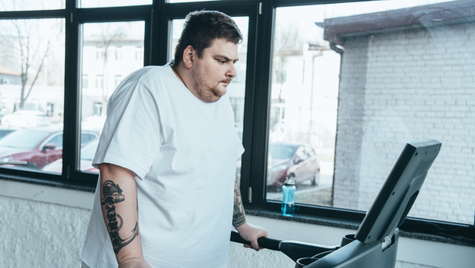
Why Losing Weight Feels So Hard

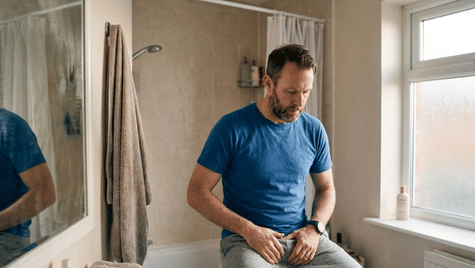
Sometimes losing weight feels like a breeze, while other times you’re standing on the scales internally screaming. So why is losing weight so hard?

Losing weight should be easy: eat less, move more and job’s a good ‘un. Right? Right.

If it was easy, we’d all do it once, keep the weight off and the diet industry would go bust. But we all know it’s not quite as simple as that, and there is a seemingly endless list of reasons why it’s hard.

When the scales stall and you feel like you’re not making any progress, don’t blame yourself. We all experience those moments where you just want to throw in the towel. So why is it so hard, when it should be so easy?

Your diet

You know the basics of eating well, we all do. Eat more veggies, cut down on booze and give the sharing size blocks of chocolate a rest. But we tend to get bogged down in the details or we buy into passing fads that have you subsisting on a diet of minuscule portions.

As well as sticking to a calorie deficit, that’s when you take in fewer calories than you burn, you’ve got to make sure you’re keeping yourself satisfied. You really don’t need to go hungry to lose weight.

That means eating more protein and fiber, both of which help you feel full and make it less likely that you’ll be raiding the kitchen cupboards in between meals.

Finding what works for you

We’re often asked which diet is the best for weight loss, and our answer is always the same. The best diet is the one you can stick to. There are a million and one different diets on the market and they all more or less boil down to the same thing: taking in fewer calories.

Sometimes weight loss can feel hard when you’re trying to stick to something that just doesn’t work for you.

Let’s say you’re following a no-carb diet. Lots of people have lost weight following it, so you decide to give it a go. You cut out bread and the weight starts falling off you, which is great. Except that sooner or later you find yourself craving bread, so you give in and have some toast, which tastes amazing.

In an ideal world, you’d stop there and get back to it, but now you feel like you’ve ‘failed’, and you say screw it and eat unhealthily for the rest of the day because you’ve already messed things up. Then the day turns into a week, which turns into a month, and you’re heavier than you were when you started the diet. This time, you say I’ll be better at the no-carb diet, and I absolutely will not give in. But we all know how that is going to go.

It turns into a vicious cycle that is extremely difficult to break free from. As well as making you feel bad, if something doesn’t fit with how you like to eat, you’re never going to make the permanent lifestyle changes you need to successfully lose weight, because why would you? You’re fighting against yourself, and it sucks.

Think about what you like and what you don’t. If you like eating out, a ‘clean’ eating diet isn’t going to make you feel good. If you’re a bread fiend, cutting out carbs isn’t going to fly.

Weight loss doesn’t have to be all or nothing, and even foods you might label as ‘bad’ can have a place in a healthy diet that helps you lose weight. Far better to occasionally indulge in your love of Reece’s in an otherwise balanced diet than to restrict yourself and end up binging on a variety pack, triggering several weeks of excessive eating.

Your environment

Losing weight can feel hard if you’re subconsciously putting barriers in the way. You can’t just expect yourself to suddenly start doing hard things like cooking healthy meals or snacking on fruit if you don’t make it easy for yourself. That means planning out your meals and making time to shop and cook, or keeping the candy hidden away in the cupboard while you put the fruit on display in easy reach.

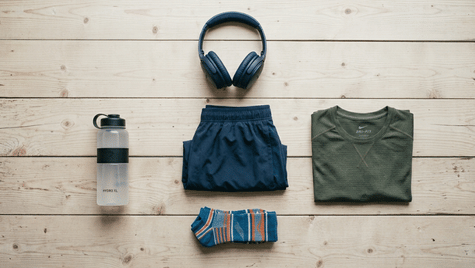
If you’re one of those people who hate the thought of going to the gym but end up enjoying it once you’re there, keep your gym kit packed by the front door so you don’t have to hunt through your closet to find it.

If you know you can’t be trusted with chocolate in the house, don’t buy it, at least for a few months while you work on your willpower. If family members buy things that you don’t want to be tempted by, keep your own box of low-cal snacks that makes it easy to choose something while they enjoy theirs.

You want to set your environment up to make it extremely easy to stick to your new healthy habits.

Your expectations

One of the biggest reasons weight loss feels hard is because we expect too much, too soon. We see dramatic transformations online and start thinking that if we’re not dropping 10 lbs a month, we’re failing. But real, sustainable weight loss doesn’t look like that. It’s slow, steady and full of ups and downs.

Remember, the scales don’t tell the full story. Some weeks you might not see a change in weight, but your clothes fit better, or you’ve got more energy, or you’re sleeping better. Those are wins too. Focus on progress, not perfection. You’re playing the long game, and that’s how you win.


Support systems

It really, really helps if you’ve got supportive, positive people in your life. Hopefully being part of MAN v FAT means you’ve found this in your teammates.

The people we surround ourselves with influence us hugely. We’re not saying you need to hang out only with people who are also losing weight, but it helps if friends and family understand why it’s important to you.

If your friends and family aren’t supportive, or if they don’t really understand, it can feel hard to keep up with your healthier eating habits. You may feel pressured into joining them for an all-you-can-eat buffet, or a boozy night out, and while you should absolutely enjoy yourself while you’re losing weight, stuff like this can test you to your limits.

Check out seven ways to beat FOMO when eating with friends for some tips on handling this.

Your mental state

Perhaps the biggest challenge of them all when it comes to weight loss is your mind. Weight loss is much more of a mental battle than a physical battle, and it can feel impossible to overcome negative thinking or unhealthy habits that you’ve been doing for years.

The first thing you need to understand is that you can do it, even if it feels hard. Feeling like weight loss is impossible is a natural reaction to struggling with it, especially if you see what looks like easy, quick success stories on social media and compare yourself to them.

Try to stop being so hard on yourself. It takes time to see progress. Rome wasn’t built in a day. Taking it slowly should ease the pressure you feel. One thing that helps to remember when you think losing weight will take too long is that the time is going to pass anyway.

Other things that can help you work through a negative mindset is writing things down. Journaling can really help to get things out. Similarly, talking to a supportive friend can help, especially if they’re good at bigging you up.

Think about the way you talk to yourself too. What’s your inner voice saying? If you tell yourself you’re a fat, lazy, good-for-nothing punk regularly then is it any wonder you believe it? Showing yourself a little compassion can go a long way.

Your habits

Weight loss isn’t about massive overhauls. It’s about tiny decisions you make every day that add up over time. Instead of focusing on what you can’t eat or can’t do, try adding small positive actions.

Swap one takeaway a week for a home-cooked version. Add an extra 10-minute walk after dinner. Go to bed half an hour earlier. These small wins build momentum, and before you know it, they become part of your routine.

You don’t have to change everything overnight. You just have to keep showing up and doing a bit better than yesterday.

You’re not broken

If you’ve lost weight before and put it back on, or if you’ve started and stopped a hundred times, that doesn’t mean you’ve failed. It just means you’re human. Your body and brain are designed to fight against weight loss, so if it feels tough, that’s not a character flaw. That’s biology.

The fact that you’re still trying says everything about your resilience. Be proud of that.

Keep going – you’ve got this

Losing weight isn’t easy, but it is possible. Everyone who’s ever stood on the scales and felt frustrated has been exactly where you are. The key is to keep going, keep learning and keep backing yourself.

This week, focus on one thing you can control, whether that’s planning your meals, hitting your step goal or simply talking to a mate about how you’re feeling.

Remember, you’re not doing this alone. Your MAN v FAT teammates and community are all rooting for you. Stick with it, celebrate the small wins and keep putting one foot in front of the other. That’s how real change happens.


How to be a great diet buddy

Ever wondered how you can support a pal on his weight loss journey? Losing weight can be tough enough without your friends accidentally sabotaging you with banter, baked treats, or bad advice. Here is how to be the kind of friend who helps, not hinders.

To Kill a Mocking Bud

We men do not tend to be nice to our friends. It is not because we are cruel, it is just how we communicate. Almost every word we say to one another is some form of insult. Normally, that is fine. But when a friend is trying to make a positive change, the usual ribbing can knock his confidence.
You might think it is funny to start calling him “Mr GQ” as if he is suddenly a fitness model because he has taken up jogging, but chances are it will just embarrass him into quitting. So ease off the sarcasm and save the banter for when he is back on the beer.

10 Reasonably-Sized Indians

A healthy lifestyle should not kill a man’s social life. If your friend is trying to lose weight and you still want him at curry club, help him out. Go for sensible portions, skip the sundries, and do not bully him into ordering a bucket of bhajis. Maybe split a chicken tandoori and chapatti instead of drowning in naan. Small changes like that make it easier for him to stay on track and you might even feel better for it yourself.

Fit Club

When you are planning a get-together, try thinking outside the box, the box being the local bar. Some of the best group activities are actually active: a weekend hike, a game of bowling, or a cycle across the city for a coffee. It is still social, still fun, and no one wakes up with kebab regret.

The Silence of the Lads

If you can see your friend is doing well, do not keep schtum. It might feel a bit weird complimenting another male, but saying “You are looking sharp” can be massive motivation. It costs nothing and could be the difference between him giving up or carrying on.

The Bullshitter’s Guide to the Galaxy

Giving advice is great if you know what you are talking about. But spouting random “facts” you read about lettuce causing cancer will not help anyone. Listen more than you talk. He might even open up about stretch marks or loose skin. If you are a quality pal, you will hear him out without making it weird.

The Group Chat Gains

The group chat can make or break a diet. Instead of sending midnight snacking photos, drop a “How is the gym going?” or share a funny meme about meal prep. You can keep the banter alive while still being supportive. Basically, do not be that guy who derails someone’s progress with a Domino’s GIF (other stores available: Chick-fil-A, McDonalds, Taco Bell, the local curry house, that late-night food truck, basically anything that comes in a box or smells like regret)

Pint-Sized Support

If he is cutting back on booze, do not pressure him to “just have one.” Try alcohol-free beers or mocktails. The banter still flows, just without the hangover. You will actually remember what you laughed about for once.

Kitchen Confidential

Why not swap a takeaway night for a “fakeaway” night? Knock up your own curries, fajitas, or burgers, leaner, cheaper, and just as tasty. Cooking together makes it social and fun, instead of a punishment. Plus, you can still argue about who overcooked the chicken.

Lead by Example

Support is not just about words, it is about actions. Walk instead of drive. Order something healthy without announcing it like a martyr. Small, quiet changes show your friend that you are on his side without making it a big deal.

Celebrate the Wins

When your friend hits a goal, whether it is losing five kilos or finishing a 5K, give him credit. It does not have to be champagne; a simple “Awesome job, man” can mean more than you realize. It shows that someone has noticed, and that is what keeps people going.

The long and short of it

If you have ever tried to lose weight yourself, you will know how important support can be. Having a friend who listens, joins in, and does not rile someone up can make all the difference. We could all do with a bit of backup sometimes, so if you are the one giving it, trust me, it will not go unnoticed.

Your Turn to Step Up

So here is your mission: pick one of these tips today and put it into practice. Invite your pal for a walk, cook a healthy meal together, or simply tell him he is doing well. Small actions make a big difference, and being the kind of friend who genuinely supports others is a win for both of you.


How’s your sleep

Lack of sleep can bump up stress levels and make it harder to make good choices. Poor sleep plays havoc with weight loss as it also affects our hormones.

Studies show that those who sleep less than six hours per night are more likely to be overweight and find it harder to lose weight. So how well are you sleeping?

Our hormones, which are chemical messengers, can help us to understand how sleep could be the missing part of your weight-loss puzzle.

Leptin and ghrelin

Ghrelin is a hormone that tells you when you need to eat. The less you sleep, the more ghrelin you produce. Leptin does the opposite of ghrelin; it sends a signal to the brain to let you know you have eaten enough.

The less you sleep, the less leptin you produce. Lack of sleep and these two hormones make you more susceptible to overeating and less likely to feel satisfied afterward.

Cortisol

This is a stress hormone that breaks protein down into glucose. If there is too much glucose, it gets stored as fat. Excess cortisol makes the body use soft tissue like muscle for its energy needs instead of fat.

Your cortisol levels increase the less you sleep at night. It also triggers a hunger response in the brain, causing you to think you are hungry. Sneaky.

Melatonin

Melatonin is a powerful antioxidant that manages our circadian rhythm or sleep-wake cycle. It is released at the onset of darkness to prepare your body for sleep. Studies have linked melatonin to increased metabolism.

Insulin

Insulin helps your body to absorb glucose from the bloodstream. Not enough sleep can lead to too much blood sugar, and that can lead to insulin resistance.

This means the body will produce more insulin in order to function and could eventually lead to diseases like diabetes. The dreaded D word.

Growth hormone

Your body creates more growth hormone while you are asleep. It stimulates cell reproduction, regeneration and growth. More growth hormone means a higher metabolism, meaning you burn energy more rapidly. This gives us the potential to lose weight faster.

Practical tips to prioritize your sleep

  • Stick to a routine – go to bed and wake up at the same time every day, even on weekends.
  • Limit screens before bed – blue light from phones and TVs suppresses melatonin.
  • Create a sleep-friendly environment – keep your bedroom cool, dark and quiet.
  • Avoid caffeine and alcohol late in the day – both can interfere with deep sleep.
  • Wind down – reading, stretching or a short meditation session can signal your body it is time to sleep.

Track and optimize your sleep

Keeping a simple sleep diary or using a sleep tracker can help you understand how your sleep affects hunger, energy and weight management. Pairing this with your exercise and nutrition routine can help you identify patterns and make better choices.

Sleep is part of your recovery

Value your sleep as much as your diet and exercise. It gives your body time to rest, recover and rejuvenate. Better sleep improves energy for your training sessions, helps regulate hunger hormones and supports weight loss. Treat it as an essential part of your routine, not an optional extra.

Your body needs time to rest, recover and rejuvenate. Sleep well, and your body will reward you in more ways than one.

Prioritize Sleep, Maximize Results

Sleep is not optional. Treat it as seriously as your workouts and diet. By sticking to a routine, creating a sleep-friendly environment and tracking your patterns, you give your body the rest it needs to regulate hormones, boost energy and support weight loss. Every extra hour of quality sleep is a step towards your goals, so make your bedtime a priority and let your body work for you.


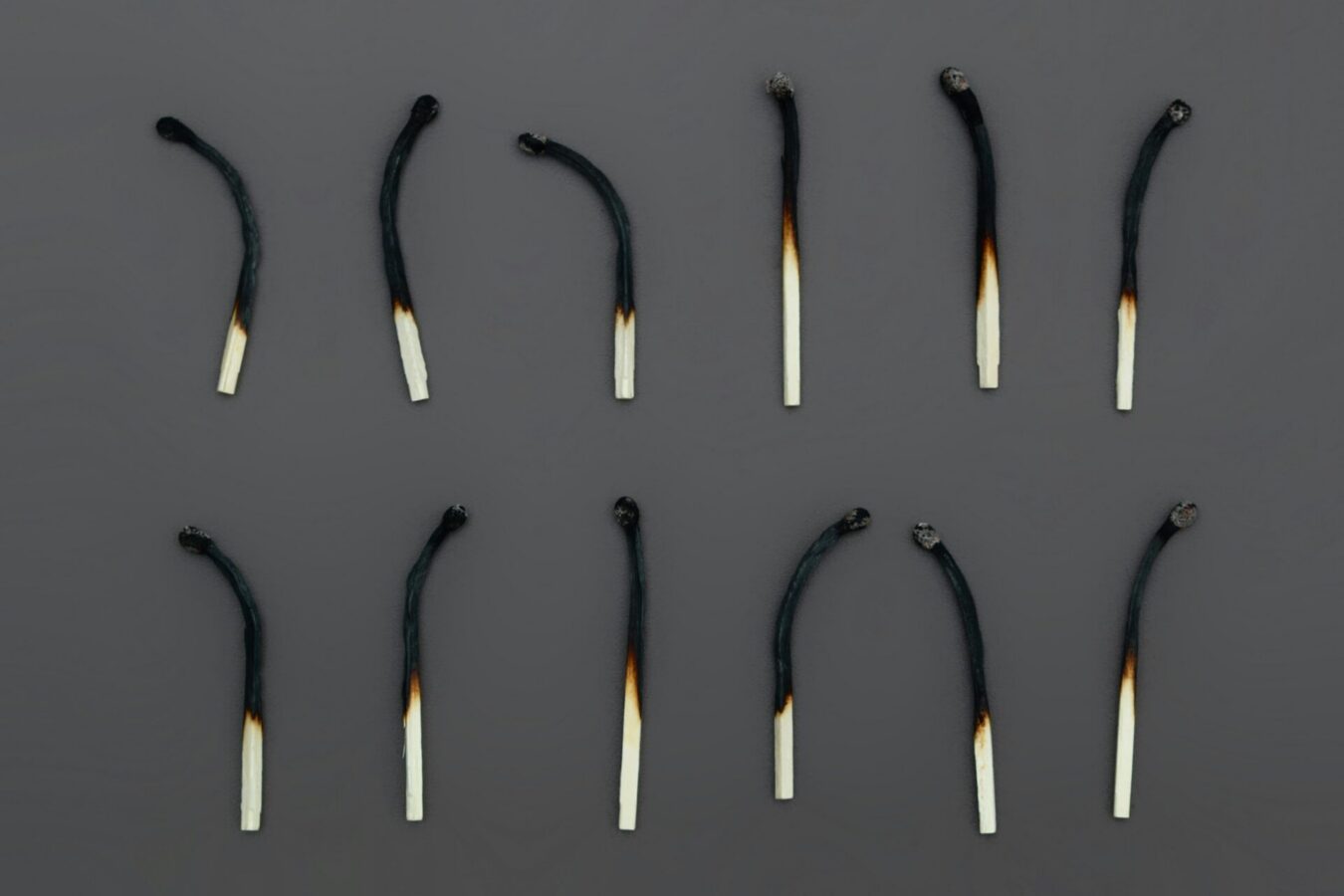
Why burnout and weight loss don’t mix

Feeling like you’ve got nothing left in the tank isn’t good. If you’re in a state of constant emotional, physical or mental exhaustion, could be ‘burnout’ caused by excessive, ongoing stress. Ouch.

Feeling drained, overwhelmed and unable to cope due to demands put on you at work or home is exhausting. Chronic stress can cause physical and emotional symptoms, including:

  • Decreased productivity and concentration
  • Low tolerance levels and questioning your purpose
  • Anxiety and low mood
  • Fatigue or a lack of energy
  • Headaches
  • Stomach issues like bloating or diarrhea
  • Sleep issues

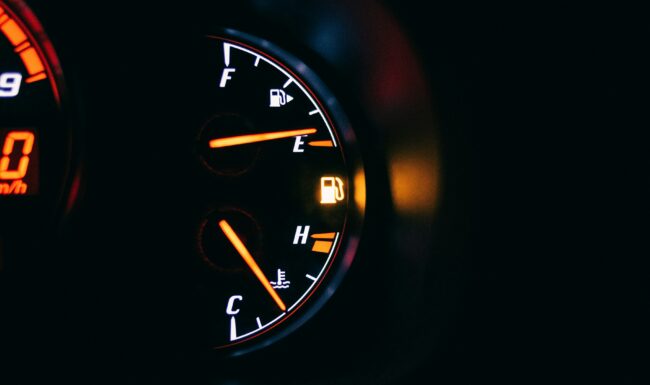
When you experience burnout, it can feel like you’ve run out of gas. This can lead to you making some poor diet decisions, not wanting to exercise and resorting to unhealthy habits like smoking and drinking, all of which can stall or stop our weight loss. Cars can’t run on empty and neither can you.

So, how can you fill up your tank and fuel your body?

Keep movin’

Though it’s hard to find the motivation, keeping active will help your body deal with stress hormones, regulate blood sugar levels, boost your mood and improve your sleep as well as helping with weight management. Listen to feedback your body gives you, sometimes a brisk walk is enough, other times a row, swim or weightlifting session feels good. Remember exercise gives you more energy so even a little can help a lot.

Get to bed

If work is all-consuming, it’s tempting to stay up later to have time to yourself. But, reduced quality or quantity of sleep can compound stress and cause imbalanced hunger hormones, which can lead to overeating and impact your ability to make decisions that align with your ambitions. Aim to sleep 7-9 hours per night.

Set boundaries

Take your life back. Doing this can help you separate your work and home life. E.g. Decide if you’ll check emails and other work communications during the weekend and set a boundary to do no emailing after a certain time each evening.

Step away from your workspace

Regular breaks give you a few moments to reset, breathe and refocus, don’t underestimate how important they are. Try to eat lunch in a separate space and aim to factor movement into your day if your job is sedentary. Office job? How about a standing desk, this can stop you feeling lethargic or sluggish.

Manage stress

Learn techniques to help you deal with stressful situations. Meditation, guided relaxation, breath work and journaling can all be helpful. So can a kick about with your mates, roll on club night!

Challenge yourself in your downtime

Find activities or subjects that interest you and get involved. It’s tempting to sink into the couch and watch another box set, but learning a new skill, taking a class or even challenging yourself with a brain teaser or crossword will help you feel more energized. Aim to find restorative experiences that you look forward to doing.

Make it easy. If you’re pressed for time during the week, try meal planning and batch cooking on your days off so you always have healthy options in the fridge or freezer. This frees up the headspace needed to decide what to eat and helps you swerve unplanned takeaways. Winning.

Ask for help. If you think you’re experiencing burnout, speak to your employer or HR department to see what they can do to alleviate pressure on you. Confide in a trusted friend or family member, talking about issues can help you gain perspective and make plans to move forward.

Dealing with burnout is tough. If you are concerned the symptoms you are experiencing could be due to an underlying health problem, get in touch with your Primary Care Physician to rule it out. Self-care in the form of a nutritious diet, good sleep, regular exercise, time out, relaxation and connection with others is the best way to fill up your tank.

Remember

You do not have to do it alone. As a MAN v FAT member, you have access to the JAAQ digital mental wellbeing platform. JAAQ offers tools, guided exercises and expert advice to help manage stress, improve sleep and cope with burnout. Combining these resources with your exercise, nutrition and sleep habits can help you regain energy, protect your mental wellbeing and stay on track with your weight loss goals. Take a few minutes each day to explore JAAQ and make it part of your routine. Even small steps can make a big difference.


Can you boost your metabolism

You’ve probably heard all sorts about ‘boosting’ your metabolism. But is that something that’s actually possible, or just another case of misleading diet industry jargon?

Do you know anyone who has a truly awful diet but never puts on weight while your belt groans when you just look at a cake? It’s one of life’s cruel pranks, and it could all be down to our metabolism.

What even is metabolism?

Metabolism refers to the chemical processes that keep our bodies alive. We’ve got blood pumping, air flowing, food digesting and much much more going on inside our bodies 24/7, so it’s no surprise that these processes need energy. Our metabolism works to convert energy into fuel for our bodies.

Genetics play a large part in how fast or slowly we burn energy (commonly referred to whether we have a slow or fast metabolism). Other factors include age, percentage of lean muscle/body fat and sex, as men usually have a significantly higher metabolism than women.

Between 60 – 80% of our total daily energy expenditure is taken up by just being alive (breathing, circulation, cell renewal, etc.). This is known as our basal metabolic rate (BMR). A ‘slow metabolism’ is actually down to a low BMR.

The remaining 20-40% is where we can make a difference, as this includes physical activity and digesting food. This combines with the BMR to make our total daily energy expenditure (TDEE).

Can we boost our metabolism?

Our metabolism isn’t an organ that can be flexed, but there are many theories as to how we can support it. It’s thought that the following factors can have a positive effect:

  • A fiber-rich diet. Fiber is indigestible yet our bodies try to digest it anyway, which uses up energy.
  • Strength training. This tears muscle tissue, which our bodies have to use energy to repair and restore.
  • Having more muscle, as muscle is made of ‘metabolically active’ tissue. This needs energy to be built, used, and maintained whereas fat tissue just lazes around not burning energy at all.
  • Eating protein. It takes the body considerable energy to digest protein, plus it’s filling, making us less likely to reach for snacks.
  • Foods like coffee, chili and ginger are thought to speed up BMR. The bad news is the difference is very slight, and it’s not going to impact your jeans size.
  • HIIT workouts. This type of exercise involves short, intense bursts of exercise followed by periods of active recovery or rest. It’s great for cardio fitness but studies suggest it can also increase the ‘afterburn’ effect where our bodies continue to burn more energy for up to 24 hours after the session.

Nothing will magically make our metabolism turn into a ravenous beast that quickly consumes all the energy we eat. But small gains add up to big changes. If you work out and build muscle, you’ll be burning more energy. If you eat foods that require lots of energy to digest, you’ll be burning more energy, and so on, so don’t lose hope.

What slows it down?

  • Rapid weight loss. Crash diets can cause our metabolism to slow more than would be expected from the overall weight loss. Our metabolism is hard to speed up but frustratingly easier to slow down.
  • Chronic dehydration is associated with a lowered metabolic rate, so make sure you’re drinking enough.
  • Getting older. It’s good to keep in mind here that the aim of good health is for us to get older and to thrive as we age. There’s an inevitable decline in metabolism as we age as we simply don’t need the same energy at 60 as we did at 21. We can help this by continuing to eat well and stay active.
  • Even if your BMR is lower than average, you can still support it by building lean muscle tissue. Making sustainable, incremental changes to your lifestyle is the best way to lose weight — and keep it off.

Your MAN v FAT sessions are a great place to start supporting your metabolism. Every game, circuit, or gym session you do helps build lean muscle, which naturally increases your daily energy burn even at rest. Pair that with a protein-rich diet and staying hydrated, and you’ll make your metabolism work for you. Small, consistent habits like these are far more powerful than any “metabolism booster” on the market.

Make Your Metabolism Work for You

Understanding your metabolism is only the first step, putting it into practice is where the results happen. Use your club sessions to build strength and muscle, track your activity and progress, and get advice from your coach on balancing nutrition and exercise to keep your metabolism working efficiently. Share your wins and tips in your team chat or the MAN v FAT Facebook community to stay motivated. Every workout, every meal choice, and every good night’s sleep helps your body work smarter, not harder.


Does intensity matter

The short answer? Yes, but not in the way you might think.

If you have those days where you exercise but you’re really not feeling it, we get it. Sometimes it can feel like you’re just going through the motions, moving your body but not really getting stuck in. We say good on you for showing up. But does it matter how intense your exercise sessions are?

What is exercise intensity?

The intensity of exercise simply refers to how much energy your body is using during exercise. It’s not as technical as it sounds: think about the difference between going for a slow, ambling walk (low intensity) and running flat-out to win a race (high, or vigorous, intensity).

How is exercise intensity measured?

An easy way to measure your exercise intensity without the need for any equipment is the talk test. If you can talk but not sing while you’re exercising, it’s probably moderate intensity activity. If you can’t say more than a few words without stopping to take a breath, it’s a high-intensity activity. But if you’re giving Sideshow Bob a run for his money belting out songs from H.M.S. Pinafore, it’s fair to say what you’re doing isn’t very intense at all.

Heart rates

Another way of measuring your exercise intensity is to look at your heart rate. If you’ve got a smartwatch, this’ll be pretty easy to see.

Using your heart rate as a guide can help you get more out of your exercise sessions because it’ll tell you if you’re working hard enough or pushing yourself too far.

The first thing to do is to work out your max heart rate. You can estimate this by subtracting your age from 220. Our example, let’s call him Greg, is 38, so his rough max heart rate is 182. Now you’ll need to figure out what your target heart rate should be based on what you’re looking to achieve.

  • 50-60% of your max heart rate is great for beginners and will help strengthen your circulatory system.
  • 60-70% of your max heart rate will help boost your fitness levels, and is the ideal range for burning fat.
  • 70-80% of your max heart rate will help improve your breathing and increase your endurance. Want to improve your soccer cardio? Try spending short bursts in this range.
  • At the top end of the 80-90% range of your max heart rate, your body starts to struggle to meet its oxygen requirements. Pro players often train for short periods in this range to increase their top-end performance.
  • You shouldn’t aim to spend long periods at over 90% of your max heart rate, as it will exhaust you much quicker. It can also lead to feeling dizzy, an increase in blood pressure and even fainting, so go easy and aim for a lower intensity that’ll see you burning fat effectively without the risks.

High intensity

Exercising at high intensity has plenty of benefits: it’s great for boosting your cardiovascular fitness and can help torch calories quicker, which let’s be honest is something we all want. But it’s not for everyone. High intensity exercise is more demanding and puts more stress on the heart, so run it by a doctor if you’ve got heart problems.

Want to give it a try? Go for high-intensity interval training (HIIT), where you alternate short bursts of very high-intensity exercise with recovery periods of low-intensity movement.

Spending short bursts of time in a high-intensity state can be great for your weight loss efforts. If you’re new to HIIT, we recommend having shorter periods of high intensity paired with longer periods of rest. For example, 20 seconds of high intensity followed by 40 seconds of rest for 5 minutes.

Medium intensity

This is the sweet spot. To improve your cardiovascular fitness, aim to work towards keeping your heart rate in the mid-range, e.g. 60-80% of your max heart rate. Anything that gets you out of breath but still able to string a sentence or two together is what you’re looking for, so lifting weights, running and fast walking are ideal.

Low intensity

A lot of good can come from incorporating low-intensity exercise into your routine. Simple exercises like walking, gentle swimming and slow bike rides are great ways of getting active without putting too much stress on your body. You can start slow and gradually increase intensity, or use low-intensity exercise as a way of helping your body recover after more intense exercise sessions.

Putting it into practice

Learning how to make your heart rate work for you will greatly benefit your fitness levels. Government guidelines state that we should be getting 150 minutes of moderate activity a week, or 75 minutes of vigorous exercise. What could that look like in real life?

Monday: MAN v FAT session
Tuesday: Lift weights at the gym
Wednesday: Rest day. Go for a light walk.
Thursday: 30-minute run, cycle or swim, aiming for mid intensity.
Friday: A high-intensity circuit or spin class
Saturday: Rest day. Go for a walk with family or friends.
Sunday: Short weights session.

Above all, listen to your body when exercising. If what you’re doing feels like it’s not challenging you enough, ramp up the intensity. Similarly, if you feel like you’re working too hard, it’s ok to lower the intensity until you find a pace that suits you better.


How often should you weigh yourself

You want to see progress, we get it, but there’s really no point weighing yourself 3 times a day.

Humans are impatient, and nowhere is that more apparent than when we’re trying to lose weight. We all do that thing where we step on the scales after just a day of eating better, hoping to see some kind of miraculous progress, right?

But weight loss takes time. So with that in mind, how often should you weigh yourself?

Make a date

We recommend weighing yourself once a week and keeping the conditions the same. It’s all about consistency. That means:

  • Weigh yourself at the same time of day. Your weight naturally fluctuates throughout the day, so this gives you a more reliable idea of your progress without having to worry about being a few pounds heavier later in the day.
  • Wear the same sort of clothes. Don’t weigh in wearing your birthday suit one week and completely layered up the next.
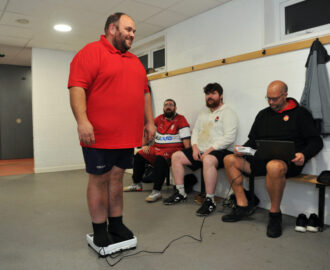
  • You’ll weigh in at your MAN v FAT session, which is a good routine to get into and is a regular check-in you can use to track your progress. Remember, it’s not just about the number on the scales. Club weigh-ins are about accountability, celebrating progress, and getting support from your team.
  • If you’re weighing in at home, make sure your scales are on the same hard surface each time, and that you’re distributing your weight evenly across both feet.
  • Weighing yourself in the morning is probably the best time to do it: after having a wee but before eating or drinking anything.

Weight fluctuations

As we mentioned, your weight naturally fluctuates throughout the day based on what you’ve eaten, how many times you’ve been to the toilet, how hydrated you are and even whether you’ve had a good night’s sleep or not.

These fluctuations are completely normal. For example, you might gain 2lbs after a weekend of social meals or notice a small drop after a day of lighter eating. It’s all part of the process and doesn’t erase the progress you’re making over time.

That’s why it’s often pointless to weigh yourself more than once a week: 7 days is enough time for fluctuations to settle down and for your ‘true’ weight to be reflected on the scales.

Some people prefer to weigh themselves more often, and that’s fine if it keeps you feeling motivated. Just remember that the number on the scales tends to vary wildly from day to day, and it’s not necessarily a true representation of what you’ve done (or not done) the day before.

Don’t forget to make use of the graphs available in your MAN v FAT player portal. These let you track your season and career journey over time, showing the bigger picture beyond single weigh-ins. Seeing trends on a graph can be much more motivating than fixating on day-to-day fluctuations.

Weighing yourself can easily become an obsession, and that’s something you want to avoid. If you feel like you’re getting too worried about the number on the scales, you can ask your coach to hide your weigh-in result from you at the session.

There’s also nothing wrong with putting the scales away at home – there are plenty of other ways to measure your weight loss progress. Think about how your clothes fit, how much more energy you have, and your fitness levels to get a good picture of how you’re doing without relying on the numbers.

Make Your Progress Count

Club weigh-ins aren’t just about the number on the scales – they’re about accountability, support, and celebrating every bit of progress along the way. Use them as a weekly check-in to see how far you’ve come, and combine them with the graphs available in your player portal to track your season and career journey over time.

Remember, progress isn’t always linear. Weight naturally fluctuates, and the bigger picture is what counts. Share your milestones, ask for tips, or celebrate small wins with your fellow members in your local team chats or the wider MAN v FAT community. Start using your weigh-ins, graphs, and community connections today to stay motivated, focused, and on track toward your goals. Every step and every check-in matters.


How to Win at Meal Prep

Despite our best intentions, sometimes we just can’t be bothered to cook. When we’ve had a long busy day, we need healthy food and fast. Enter: meal prepping.

Preparing your meals for the week in one go is a great way of helping you reach your weight-loss goals. If you’ve got your food ready and waiting for you, it’s much less likely that you’ll opt to eat something unhealthy because you’re too tired or busy to make something. Here are some easy ways to make meal prep work for you.

Pick and choose what to prep

You can prep as many meals and snacks – or as few – as you like.

  • Struggle to get up in the morning? Prep some breakfasts in advance.
  • Meal deals seem appealing on your lunch break? Prep some lunches you can grab on your way out.
  • Got a busy week coming up? Prep breakfast, snacks and dinners to help you get ahead.

It’s all about making your life easier, so you choose what works for you.

Prepare food you’ll actually eat

It’s all well and good making a week’s worth of meals in one go but there’s no point if you don’t want to eat what you’ve made. Meal prep doesn’t have to mean boring food. Want burgers one night? Prepare the patties ahead of time, store them in the fridge and whack them on the grill for a few minutes when you need them.

You don’t have to meal prep everything

If you’re thinkingthat meal prep means eating cold food straight from plastic containers, think again!

  • You could chop salad ingredients ready for lunch
  • Grill some chicken breasts to store in the fridge for an easy sandwich filling or to eat with pasta.
  • Whip up a tomato sauce that you can reheat while you’re cooking pasta.

These helpful steps can play a crucial part when you come home from work and are tempted to call up your old friend Papa John.

Prepare to succeed

A little planning before your food shop can make meal prepping easier.

  • Figure out what you’re going to eat during the week.
  • Make an ingredients list.
  • See what ingredients could multitask and change any meals as appropriate, e.g. ground beef could make Bolognese sauce, chili and lasagna.

This is the best way of making sure your meal prepping is simple, effective and as easy to do as possible. As our English teacher used to say, fail to prepare and prepare to fail.

How’s your Tupperware?

Getting excited about plastic containers could be a sign of impending middle-age but trust us – making sure you’ve got decent food storage options is crucial to meal prep success.

Make one day a meal prep day

Meal prepping can seem like a daunting task if you’re trying to do it for the entire week, but it’s not too bad if you get it over and done with in one session. Try it on a Sunday so that you’re ready for the week ahead. Set yourself up in the kitchen with some good music, a fully stocked fridge and your meal plan and get to work. Top tip: wash up as you go along so you’re not left with the daunting clear up at the end.


Why Talking Boosts Your Wellbeing

When you’re feeling down or stressed, sometimes letting it all out and talking about your problems can feel like a load off. Here’s why something as simple as talking can improve your wellbeing.

Humans are social creatures, and whether you’re an introvert or the life and soul of the party, we all need someone to talk to sometimes. Communication is crucial for building strong relationships but it’s also essential for your mental wellbeing. Here’s why.

Getting support

One of the best benefits of talking to people is the support they give us in return. Talking through a problem with someone else can give you new ways of looking at things, put things into perspective and make you feel validated.

Even if you talk to your friend about something that goes way over their head and they don’t have any practical advice to give, just letting it out can feel great if you’ve been bottling it up. Feeling heard is important, and knowing you’ve got someone to turn to can make all the difference.

Having a support network around you has many benefits. Studies have found that those with people they can turn to are more likely to recover from illness, experience less stress and live longer than those who don’t.

Understanding your feelings

Talking is a great way to release emotions you may have been holding onto, giving you the space to process them and begin working through them. Sometimes it’s hard to know exactly how you feel until you start talking, and if you’ve been holding it all in for a while, they might all tumble out as soon as you start.

Identifying what you’re feeling can help you begin to act to resolve what’s bothering you. If you’re not sure what you’re feeling, that’s ok too – just keep talking and you may find that through the course of the conversation you’ll chance upon something that makes sense.


Knowing you’re not alone

All too often when you’ve got something weighing on your mind it’s easy to think you’re the only one going through it. That can make us feel isolated, and make the problem feel huge and difficult to deal with.

Opening up can help you see that what you’re feeling isn’t rare. It’s thought that 1 in 4 of us suffer with mental health problems, so you can see how likely it is that the friend you confide in will have some experience of what you’re going through if that’s what’s going on.

We all know that stereotype of men not talking to one another about anything deeper than soccer or booze, but we’re not Neanderthals. Chatting about whatever’s on your mind will encourage others to share too, and it’ll bring you closer.

Improved mental health

Talking is so good for your head. Airing out your problems, thoughts and feelings releases tension and improves your mental health, even if your problems aren’t solved immediately.

Getting support from friends and family is a fantastic idea that can give you a much-needed outsider’s perspective, but sometimes you might find talking to a professional more helpful.

Talking therapy is extremely effective for things like depression and anxiety. It’s so effective because as well as releasing all that’s pent up in your head, a good therapist can give you tools and guidance that’ll help you break free from negative thinking and help you handle stress in a healthier way.

Don’t feel able to talk to a therapist or a friend? You can call, text or chat via the 988 Suicide & Crisis Lifeline. They’ll talk through whatever you’re going through with you, in a safe and judgement-free zone. Visit 988lifeline.org for more info.

Not ready to talk? That’s ok. Talking about things you don’t usually talk about can feel awkward or overwhelming. If you’re not ready, try journaling instead – grab a notebook and a pen, or even the notes app on your phone, and write down thoughts, feelings, or anything you want to get out of your head. This is more one sided than talking to someone, but sometimes writing can also help you make sense of what’s going on in your head, so it’s worth a shot.

If you’re not sure how to start a conversation about what’s on your mind, try using simple prompts like “I’ve been feeling stressed about…” or “Can I talk through something with you?” You don’t have to share everything at once. Even small steps count. If talking feels intimidating, try calming yourself first with a few deep breaths or a quick grounding exercise. And remember, opening up doesn’t always have to be to a person in front of you. Journaling, voice notes, or using the JAAQ digital mental wellbeing platform available to MAN v FAT members can help you process your thoughts and feel supported. You can also share experiences and get advice in the MAN v FAT Facebook community. Taking small, consistent steps toward sharing your feelings can make a big difference for your mental wellbeing.

Get Support and Connect with the wider MAN v FAT Community

Being part of MAN v FAT means you don’t have to face your challenges alone. Join the MAN v FAT Facebook community to share experiences, celebrate small wins, and get advice from members all around the world. For more personalized support, you can also engage in team chats with your local clubmates, connecting with people nearby who understand your journey. If you prefer a private or structured space, the JAAQ digital mental wellbeing platform is available to members, offering tools and support to manage your mental health. Start today by joining the Facebook group, getting involved in your local team chats, or exploring JAAQ. Every small step toward sharing and connecting improves your mental wellbeing and keeps you on track with your goals


Walking For Weight-Loss

It’s obvious that moving more is good for you, and you can’t get more basic than going for a good old-fashioned walk.

Butwhyis it good for you? How does it contribute to your weight loss goals? What’s the best way to do it formaximumefficiency? And how do you stop it from being so boring? Put your walking shoes on and let’s find out…

Why is walking good for you?

Walking is an underrated way of staying fit as it can be easy going. It’s a fantastic way of getting active though, improving your fitness, along with bringing you these benefits:

  • Regular walking is good for your heart
  • Prevents heart disease and high blood pressure
  • Strengths bones
  • Improves balance
  • Boosts your mood
  • It’s low-impact exercise that doesn’t put much stress on your joints.

Walking for weight loss

If you’re walking to help you achieve your weight loss goals, a gentle stroll won’t have much of an impact. Instead, you need to make sure that you walk fast enough and long enough to have an effect.

  • Aim for a brisk walk at a moderate intensity. This means walking fast enough that your heart rate goes up. You should struggle to sing at this level, although you should still be able to talk.
  • Target 150 minutes of moderate-intensity activity a week. Brisk walking counts and it also helps to reduce the time you spend sitting or lying down.
  • As your fitness improves, you might find that this isn’t enough for you. If this is you, you can work on increasing intensity, duration or distance.
  • A 30-minute walk can burn up to 200 calories. But this depends on many factors, including your weight and the intensity of your walk.

What do I need to start walking?

Good news: there are not many things you’ll need. A comfortable pair of sneakers, maybe a bottle of water if it’s warm outside, and some sun screen at the height of summer. If you want to track your walks, the app Strava is a good ‘un that’s available on iOS and Android.

You mean you want me to walk when I’m not even going anywhere?!

If you think aimless walking to get your steps in sounds like no fun, we hear you.For all its virtues, walking as a form of exercise can be a bit dull, unless you’re lucky enough to live near a particularly scenic route. Luckily there are ways of making it a bit more fun:

Geocaching

All you need to geocache is a GPS-enabled device (your phone) and a free account. Find coordinates and put them into Google Maps, or check out the Geocaching website here.

  • It’s perfect for a weekend walk
  • It’s a real-life treasure hunt!
  • It can be exciting for kids and gets them off the Xbox for a few hours

If you find anything in a container, it’s good etiquette to only take it if you can leave something of equal or greater value.

Audiobooks

Stephen Fry credits walking with audiobooks helped him to lose six stone in 2019, walking EIGHT MILES every morning. If it’s good enough for Mr Fry, it’s good enough for us.

Have a look online for free audiobooks. Project Gutenberg has loads of classic books here. You might be lucky and find some good free ones on YouTube too.

If you don’t mind paying, there’s Audible (Google ‘Audible promo’ to find offers to keep the cost down – at the time of writing there’s a 3 months for $0.99/month offer on). Spotify has recently added audiobooks to its service, and if you’ve got a pro account you get 15 hours of audiobooks free a month.

Podcasts

Speaking of Spotify, you’ll find plenty of podcasts there too. Search for MAN v FAT under podcasts and you’ll find a few created by MAN v FAT players, which is super cool.

Finding a good route

One of the reasons walking is a good option is because you can do it anywhere, although a walk through the industrial part of town is not quite as appealing as a hike through a lush greenway.

Luckily, there are many free tools online that will help you find a nice route near you.

Google details of local trails or hikes. Even if you think walking is too gentle for you (check you out!), every little helps when it comes to upping your activity.

Step Up Your Game with MAN v FAT 

If you’re serious about losing weight and keeping it off, walking alone is great but combining it with the MAN v FAT community takes it to the next level. Track your walks, set goals, and compete in weekly challenges with fellow members who get exactly what you’re going through. You’ll get accountability, motivation, and tips from people who have been there, plus the chance to celebrate every milestone together.

Put your sneakers on, log your walks, and join the challenge today because every step counts and in MAN v FAT, no step is ever taken alone.


Lose weight, Play Soccer

Secure your spot

Launched in Florida in 2024, MAN v FAT Soccer brings the UK's leading male-only weight loss program to the USA. Find your nearest league and register to secure your spot.

Contact

Email: support@manvfatsoccer.com

Links

Social

MAN v FAT is not liable for any damages arising in contract, tort or otherwise from the use of or inability to use this site or any material contained in it, or from any action or decision taken as a result of using the site. The materials on this site comprise MAN v FAT Soccer’s views; they do not constitute legal or other professional advice. You should consult your professional adviser for legal or other advice. This site offers links to other sites thereby enabling you to leave this site and go directly to the linked site. MAN v FAT Soccer is not responsible for the content of any linked site or any link in a linked site. MAN v FAT Soccer is not responsible for any transmission received from any linked site. The links are provided to assist visitors to our site and the inclusion of a link does not imply that the MAN v FAT Soccer endorses or has approved the linked site. This site is intended to provide friendly and helpful advice and is not a definitive statement of law.

© 2024 MAN v FAT Limited. All rights reserved.

Terms & Conditions  |  Code of Conduct  | RulesPrivacy Policy  |  Cookie Policy  |  Feedback, Complaints & Session Cancellations

Privacy Settings
We use cookies to enhance your experience while using our website. If you are using our Services via a browser you can restrict, block or remove cookies through your web browser settings. We also use content and scripts from third parties that may use tracking technologies. You can selectively provide your consent below to allow such third party embeds. For complete information about the cookies we use, data we collect and how we process them, please check our Privacy Policy
Youtube
Consent to display content from - Youtube
Vimeo
Consent to display content from - Vimeo
Google Maps
Consent to display content from - Google